

Why Midlife Women Need a Different Approach
As we head into a new year, many women start thinking about goals: getting healthier, feeling stronger, losing weight, sleeping better, or simply feeling more like themselves again. But for women in their late 30s, 40s, and 50s, the traditional “New Year’s Resolution” model often backfires.
If you’ve ever started January full of enthusiasm, only to feel overwhelmed or discouraged by February, you’re not alone—and it’s not because you lack discipline. It’s because your body, hormones, and stress system are changing in real ways, and the typical “all-or-nothing” approach works against you, not with you.
Let’s talk about why this happens, and how to create a sustainable health and fitness plan that genuinely supports your midlife body.
Why Traditional Resolutions Don’t Work in Perimenopause
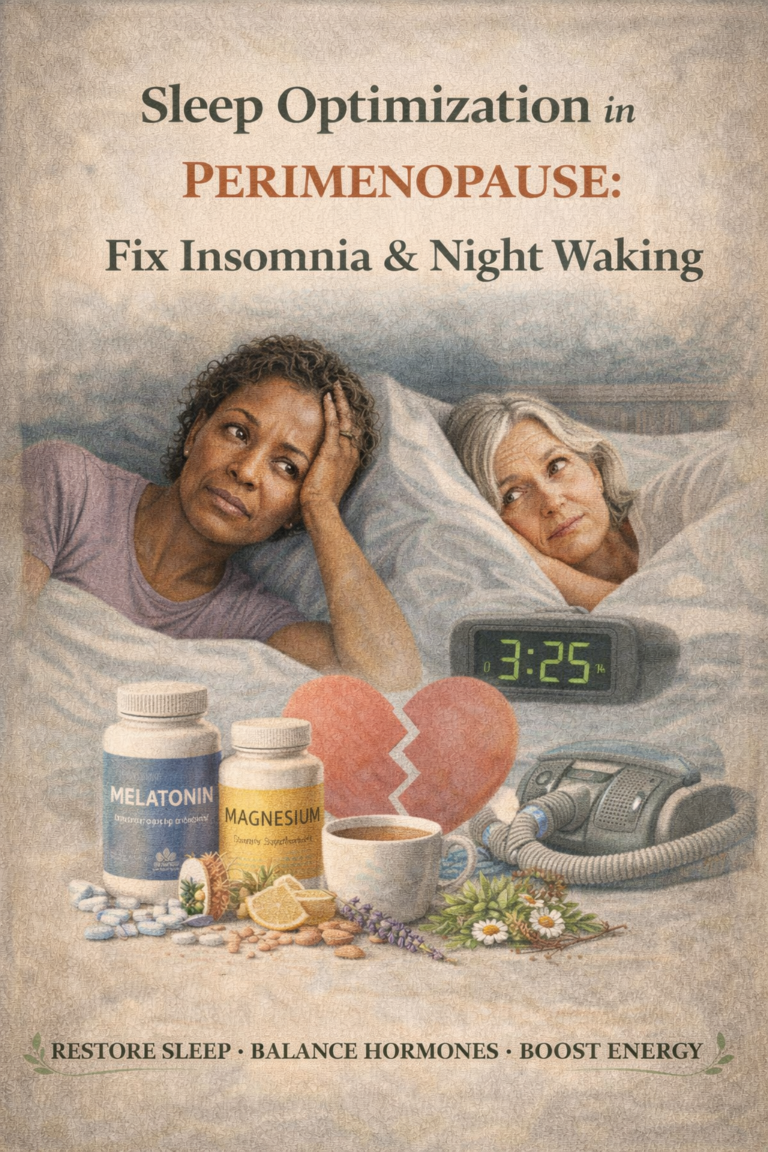
Women in perimenopause often experience shifting hormones, increased stress sensitivity, unpredictable energy, sleep disruptions, and changes in metabolism. So when a woman tries to overhaul her entire life on January 1st, her body perceives it as stress—not motivation.
This stress can trigger:
• Cravings
• Fatigue
• Mood swings
• Trouble sleeping
• Increased cortisol
• Difficulty with weight changes
• Inflammation
• Burnout
Extreme plans can intensify symptoms, which is why so many women feel like they “fall off the wagon” quickly. It isn’t a lack of willpower. It’s physiology.
The solution is to create hormone-smart goals: simple, steady, thoughtful steps that support the nervous system and build consistency—not overwhelm.
The Hormone-Smart Way to Set Goals for the New Year
Here’s how to create a sustainable health and fitness plan that works with your midlife body instead of fighting against it.
1. Choose One Main Goal
Most women set five goals at once. But multitasking on a hormonal level creates stress.
Pick the one thing that will make the biggest difference for you.
Examples:
• Better sleep
• More consistent movement
• Higher protein intake
• Stress reduction
• Strength training
• Weight loss
• Better mood
• More energy
Your main goal is your anchor.
2. Turn That Goal Into One Small Habit
Your nervous system thrives when things feel manageable.
Examples:
• “Walk 10 minutes after dinner”
• “Eat protein first at each meal”
• “Turn off screens 30 minutes before bed”
• “Drink one extra glass of water each day”
• “Do 5 minutes of stretching before bed”
Small habits create big success.
3. Make It Fit Your Real Life
Ask yourself:
“Can I do this on my most stressful day?”
If not, it’s too big.
Shrink it until the answer is yes.
Sustainable habits are built during real-life conditions, not perfect weeks.
4. Build Your Support System
Success in midlife comes from supportive systems, not motivation.
Support options include:
• Setting reminders
• Scheduling habits into your calendar
• Putting gym clothes out the night before
• Prepping protein and veggies
• Using a habit checklist
• Accountability with a friend
• Keeping equipment visible
Your environment should make your goals easier, not harder.
5. Track Progress With a Simple Yes/No
Forget complicated tracking apps.
Just ask: “Did I do my habit today?”
Yes or no.
No guilt. No perfection.
Aim for 80% consistency—not 100%.
6. Add New Habits Only When Ready
After 2–4 weeks of consistency, you can add the next step.
This builds a sustainable rhythm, avoids burnout, and improves results.
Case Study: When One Small Habit Changes Everything
A 42-year-old patient came to me feeling overwhelmed and frustrated. She told me:
“I feel like I fail every January. I make a huge plan, try to do everything at once, and then I burn out.”
Her energy was low, sleep was disrupted, and she felt pressure to “do more,” even though her body was begging for a different approach.
We chose one small habit:
Walk 10 minutes after dinner.
That was it.
In three weeks, she reported:
• Better digestion
• More stable energy
• Fewer cravings
• Better sleep
• Improved mood
• Higher confidence
• 1.5 lbs of gentle fat loss without trying
Once that habit felt easy, we added another.
By spring, she felt grounded, consistent, and finally in control of her health.
Small steps compound.
This is the magic of midlife goal setting.
Download the Free Midlife Health & Fitness Goal-Setting Guide
If you want to create a simple plan that works with your hormones and your real life, you can download the guide here:
Midlife Health & Fitness Goal-Setting Guide
It includes worksheets, examples, and step-by-step instructions.
Ready for Personalized Help?
If you’re noticing low energy, stalled weight loss, sleep issues, mood swings, or symptoms that make goal-setting feel harder than it should, the first step is to take the Readiness Questionnaire.
It helps us determine whether our services are the right match and gives you clear next steps regardless of the results.
New Patient Readiness Questionnaire link
Medical References
- The perimenopausal woman: Endocrinology and management. https://www.sciencedirect.com/science/article/abs/pii/S0960076013001581
- Stress and midlife women’s health. https://pmc.ncbi.nlm.nih.gov/articles/PMC6297937/
- Physiological and health implications of a sedentary lifestyle. https://pubmed.ncbi.nlm.nih.gov/21164543/
- Interactions between sleep, stress, and metabolism: From physiological to pathological conditions. https://pmc.ncbi.nlm.nih.gov/articles/PMC4688585/
- Psychological Stress and the Human Immune System: A Meta-Analytic Study of 30 Years of Inquiry. https://pmc.ncbi.nlm.nih.gov/articles/PMC1361287/
Medical Disclaimer
This article is for educational purposes only and does not replace medical care. It is not intended to diagnose, treat, or cure any condition. Always consult with a qualified healthcare provider before making changes to your diet, exercise, medication, or treatment plan.