Why you may be getting sick more often—and how to build real resilience during midlife
Most women expect mood swings, heavy periods, or sleep changes during perimenopause.
But one symptom often surprises them:
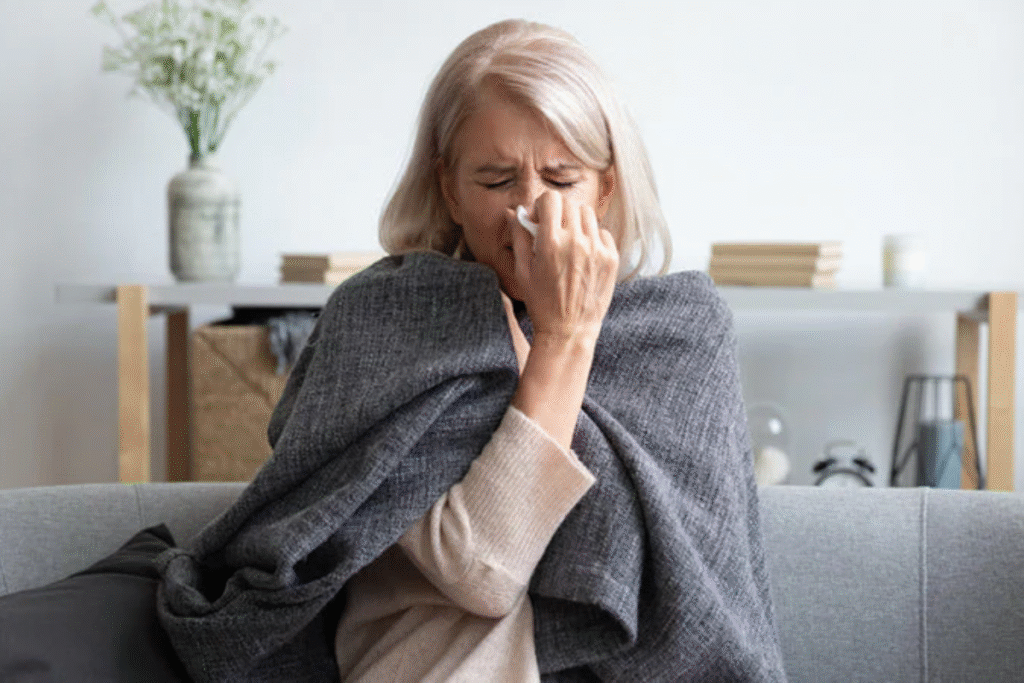
They start getting sick more often—and recovery takes longer than it used to.
If you feel like your immune system is “not the same,” you’re not imagining it.
This shift is common, normal, and deeply tied to hormone changes that affect nearly every immune pathway.
The good news is that your immune system is highly adaptable. With the right daily habits and functional support, you can build a level of health where you move through cold and flu season with far fewer symptoms, faster recovery, and more overall vitality.
This article explains why immunity changes in perimenopause, the most effective ways to support it, and how functional care at Antigravity Wellness helps women become stronger, healthier, and more resilient all year long.
Why Your Immune System Changes in Perimenopause
Perimenopause is a hormonal transition lasting several years, and those shifting hormones affect your immune system in predictable ways.
1. Estrogen fluctuations
Estrogen plays a powerful role in immune regulation.
When estrogen rises and falls unpredictably, immune stability decreases. This can result in increased inflammation, slower recovery, and a higher chance of catching viruses.
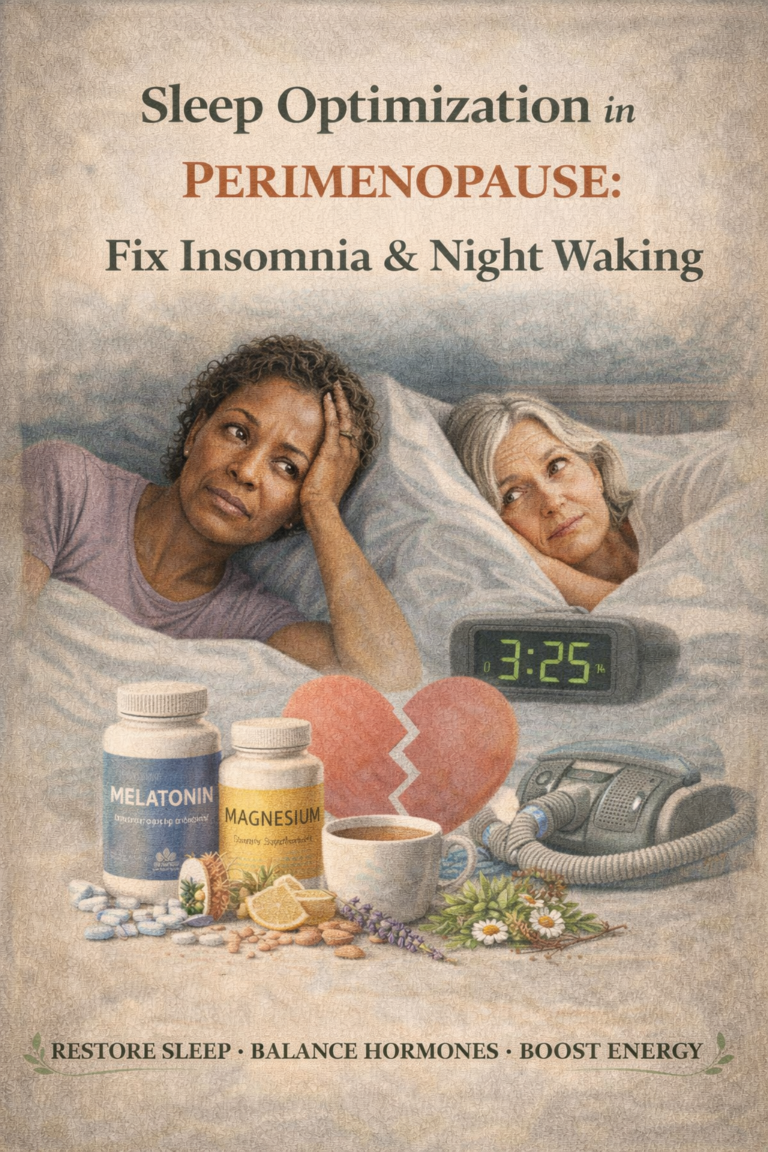
2. Disrupted sleep
Night sweats, elevated cortisol, and stress dysregulation can lead to disturbed sleep.
Even one night of short sleep decreases immune function significantly. Chronic midlife sleep disturbances compound this effect.
3. Higher stress sensitivity
During perimenopause, the brain becomes more reactive to stress due to declining progesterone and shifting cortisol rhythms.
Chronic stress directly suppresses immune function and slows healing.
4. Gut microbiome changes
Hormone shifts change gut bacteria balance, digestion, and gut permeability.
Because 70% of the immune system resides in the gut, these changes strongly influence overall immune resilience.
5. Increased baseline inflammation
Midlife tends to be a naturally pro-inflammatory time. Joint discomfort, swelling, bloating, and headaches are all signs of immune activation.
The immune system is not failing—it’s adapting to a shifting hormonal environment.
The goal is to support it so you stay strong.
The Midlife Immune Support Blueprint
These evidence-based strategies help women improve immune resilience during perimenopause and beyond.
1. Prioritize Protein
Protein provides the building blocks for immune cells.
Most midlife women are under-eating protein, which leads to weaker immunity, lower muscle mass, fatigue, and poor recovery.
Aim for 30–40 grams of protein at meals.
Examples include eggs, poultry, fish, tofu, Greek yogurt (or dairy-free alternatives), and high-protein smoothies.
2. Add Color-Rich Foods
Colorful foods contain antioxidants—compounds that reduce inflammation and support immune repair.
Try for multiple colors daily such as berries, greens, carrots, sweet potatoes, peppers, citrus, cabbage, and grapes.
3. Support Gut Health
A healthy gut supports a healthy immune system.
Key daily habits include:
Adequate fiber intake (vegetables, chia, flax)
Fermented foods several times per week (sauerkraut, kimchi, kefir)
Adequate hydration
If you experience frequent bloating, constipation, or discomfort, it may be a sign your gut needs targeted support.
4. Reduce Stress Through Simple, Repeatable Habits
Immune function declines when stress hormones remain high.
Effective supports include:
A calming morning routine
Slow breathing before meals
Short walking breaks
Afternoon sunlight exposure
Magnesium glycinate at night
Boundaries with screen time, work, and family demands
These small shifts help stabilize the nervous system, calm inflammation, and restore immune balance.
5. Move Your Body Daily
Walking is one of the most effective immune-boosting exercises.
It improves lymphatic flow, reduces inflammation, stabilizes blood sugar, and supports hormone metabolism.
Aim for 20–30 minutes daily.
Strength training also plays an important role in immune health, metabolic resiliency, and hormone balance.
6. Consider Strategic Supplements
Always speak with your healthcare provider first.
Typical midlife-supportive nutrients include:
Vitamin D3 + K2: supports immune signaling
Omega-3 fatty acids: reduce inflammation
Zinc: helps immune cells respond appropriately
If you get sick often, consider checking iron, thyroid levels, vitamin D, and inflammatory markers.
7. Protect Your Sleep
Sleep is the foundation of immune repair.
Improving sleep hygiene—cool temperature, dark room, consistent bedtime, magnesium supplementation, and a wind-down routine—has a direct positive impact on immune strength.
Case Study: How Functional Care Restored One Woman’s Immune Strength
Name changed for privacy.
Sarah, a 47-year-old woman, came to Antigravity Wellness with a long history of frequent colds, sinus infections, deep fatigue, and slow recovery. She assumed she simply had a “weak immune system,” but her symptoms began shortly after her cycles became irregular.
After running a full functional evaluation—including bloodwork, hormone testing, micronutrient analysis, and a gut assessment—we found:
Low protein intake
Low vitamin D
Elevated cortisol
Disrupted sleep
Estrogen fluctuations
Early signs of hypothyroidism
Low omega-3 levels
We implemented a step-by-step plan:
Increasing protein at meals
Supporting sleep and cortisol rhythm
Adding vitamin D, magnesium, and omega-3s
Balancing hormones naturally
Addressing gut inflammation
Adding daily movement and stress reduction practices
Within three months, Sarah reported:
No colds despite multiple exposures from coworkers and her children
Less inflammation
Stable energy
Better sleep
More strength and resilience
Feeling “like her old self again, but stronger”
Supporting her immune system wasn’t about boosting it—it was about stabilizing the internal systems that were overwhelmed.
This transformation is extremely common when midlife women receive the right targeted support.
How to Get Started With Antigravity Wellness
If you’re curious about working together or want deeper support during perimenopause, the very first step is to complete our Readiness Questionnaire. This quick assessment helps us determine whether our programs are the right fit for you at this stage of your health journey.
No matter what the results show, you will walk away with clear next steps and recommendations that help you move forward with confidence. If it looks like we’re a good match, we’ll guide you into the program or service tier that fits your needs and your goals.
New Patient Readiness Questionnaire
Download the Midlife Immune Support Guide
Your step-by-step checklist for building immune strength in perimenopause is available here: Midlife Immune Support Guide
This guide includes:
Daily immune support habits
Nutrition and supplement recommendations
Stress, movement, and sleep strategies
A simple action plan to feel better quickly
References
1. Giefing-Kröll, C., Berger, P., Lepperdinger, G., & Grubeck-Loebenstein, B. (2015). How sex and age affect immune responses, susceptibility to infections, and response to vaccination. Aging Cell, 14(3), 309–321. https://pubmed.ncbi.nlm.nih.gov/25720438/
2. Klein, S. L., & Flanagan, K. L. (2016). Sex differences in immune responses. Nature Reviews Immunology, 16(10), 626–638. https://pubmed.ncbi.nlm.nih.gov/27546235/
3. Susan Kovats. (2015). Estrogen receptors regulate innate immune cells and signaling pathways. https://pmc.ncbi.nlm.nih.gov/articles/PMC4380804/
4. R K Chandra (1994). The effects of nutrition on the immune system. https://pubmed.ncbi.nlm.nih.gov/7919670/
5. Kyoo-A Lee. (2022). Immune Senescence, Immunosenescence and Aging. https://pmc.ncbi.nlm.nih.gov/articles/PMC9261375/
6. Irwin, M. R. (2015). Why sleep is important for health: a psychoneuroimmunology perspective. Annual Review of Psychology, 66, 143–172. https://pubmed.ncbi.nlm.nih.gov/25061767/
7. Chaplin, D. D. (2010). Overview of the immune response. Journal of Allergy and Clinical Immunology, 125(2), S3–S23. https://pubmed.ncbi.nlm.nih.gov/20176265/
8. Calder, P. C. (2013). Omega-3 polyunsaturated fatty acids and inflammatory processes: Nutrition or pharmacology? British Journal of Clinical Pharmacology, 75(3), 645–662. https://pubmed.ncbi.nlm.nih.gov/22765297/
Medical Disclaimer
This article is for educational purposes only and is not a substitute for personalized medical advice, diagnosis, or treatment.
Always seek the advice of your physician, nurse practitioner, or qualified healthcare provider before making changes to your diet, exercise routine, supplements, or medications.
If you have symptoms that concern you or that worsen over time, please seek medical attention promptly.