How to Enjoy the Season Without the Crash
Every December, I hear the same thing from women in their late 30s through their 50s:
“I love the holidays… but I always feel awful afterward.”
“I’m so bloated I can’t button my jeans.”
“I’m exhausted for days after a big holiday meal.”
“My cravings and mood swings are out of control in December.”
Most women blame themselves or assume it’s just “holiday stress.”
But in reality, the foods we eat during the holidays can create real changes in energy, mood, sleep, inflammation, and hormone balance—especially during perimenopause.
Let’s break down what’s actually happening, the foods that support your hormones, the foods that make symptoms worse, and simple strategies to help you enjoy the season without feeling terrible afterward.
Why Holiday Foods Hit Harder in Perimenopause
During perimenopause, your body is already working harder to maintain stable hormone levels. Estrogen, progesterone, and cortisol fluctuate daily, not monthly, and your brain becomes much more sensitive to changes in blood sugar, inflammation, and sleep.
Now add in the classic holiday food environment:
• Sugar
• Refined carbs
• Alcohol
• Big late-night meals
• Processed snacks
• Low protein
• High salt
• High-fat desserts
• Travel and stress
This combination creates stress on your metabolism, nervous system, and hormones—resulting in the classic “holiday crash.”
Common symptoms include:
- Fatigue
- Bloating or water retention
- Cravings
- Brain fog
- Irritability
- Poor sleep
- Mood swings
- Weight fluctuations
- Feeling “puffy” or inflamed
This isn’t lack of discipline. It’s physiology.
The BEST Holiday Foods for Hormone Health
Below are the foods that stabilize hormones, reduce inflammation, and support energy throughout the season.
1. Proteins (Your Holiday Secret Weapon)
Protein helps regulate blood sugar, reduce cravings, and keep energy steady.
Great options:
• Turkey
• Ham
• Chicken
• Prime rib
• Roast beef
• Salmon
• Shrimp cocktail
• Deviled eggs
• Meatballs
• Smoked salmon
Aim for a protein-first approach at every meal.
2. Slow Carbs & Roasted Vegetables
Slow-digesting carbs support steady energy instead of increasing cravings.
Examples:
• Sweet potatoes
• Winter squash
• Roasted carrots
• Parsnips
• Beets
• Pumpkin dishes (lightly sweetened)
• Wild rice stuffing
These carbs are gentler on your hormones than white rolls or mashed potatoes.
3. High-Fiber Holiday Sides
Fiber improves digestion, lowers inflammation, and stabilizes blood sugar.
Examples:
• Green beans
• Brussels sprouts
• Roasted broccoli
• Mixed greens
• Cranberries (homemade preferred)
• Cauliflower mash
• Salad with nuts and seeds
Fiber takes only one or two servings to make a difference.
4. Healthy Fats
Healthy fats help with satiety and hormone production.
Great choices:
• Olive oil
• Nuts
• Seeds
• Avocado
• Guacamole
• Olives
Pair them with protein to support hormone balance.
5. Homemade Foods Over Processed
Homemade dishes tend to have fewer additives, less salt, and less sugar.
Try homemade versions of:
• Desserts
• Cranberry sauce
• Dips
• Stuffings
• Casseroles
This alone reduces inflammation significantly.
The WORST Holiday Foods for Hormones
These foods can still be enjoyed—but understanding their impact can help you make intentional choices.
1. High-Sugar Desserts
Sugar spikes insulin and cortisol, then crashes your mood and energy.
Examples:
• Store-bought cookies
• Frosted pastries
• Candy
• Sweet cocktails
• Sugary pies
• Processed treats
Enjoy desserts after meals, not before.
2. Refined Carbs
These carbs digest quickly and trigger hunger and cravings.
Examples:
• Dinner rolls
• White-bread stuffing
• Crackers
• Croissants
• White pasta
Balance these with protein to reduce the impact.
3. Processed Snacks
High salt and processed oils create inflammation and bloating.
Examples:
• Chips
• Packaged appetizers
• Cheese dips
• Party mixes
Choose homemade dips with veggies when possible.
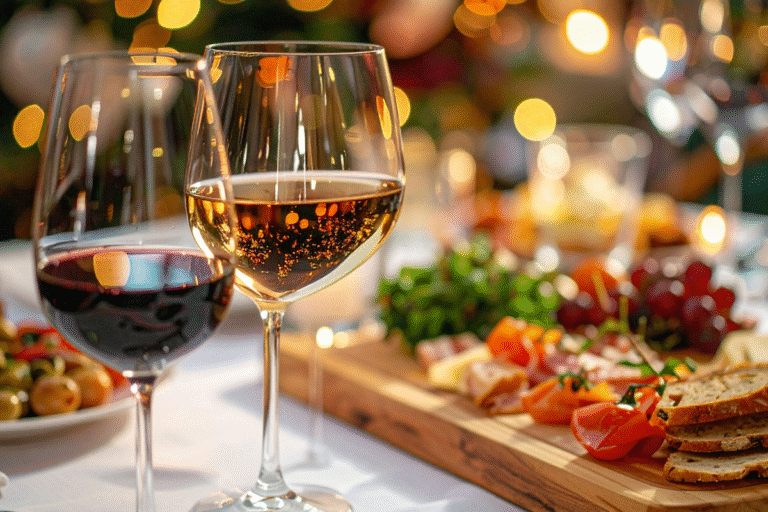
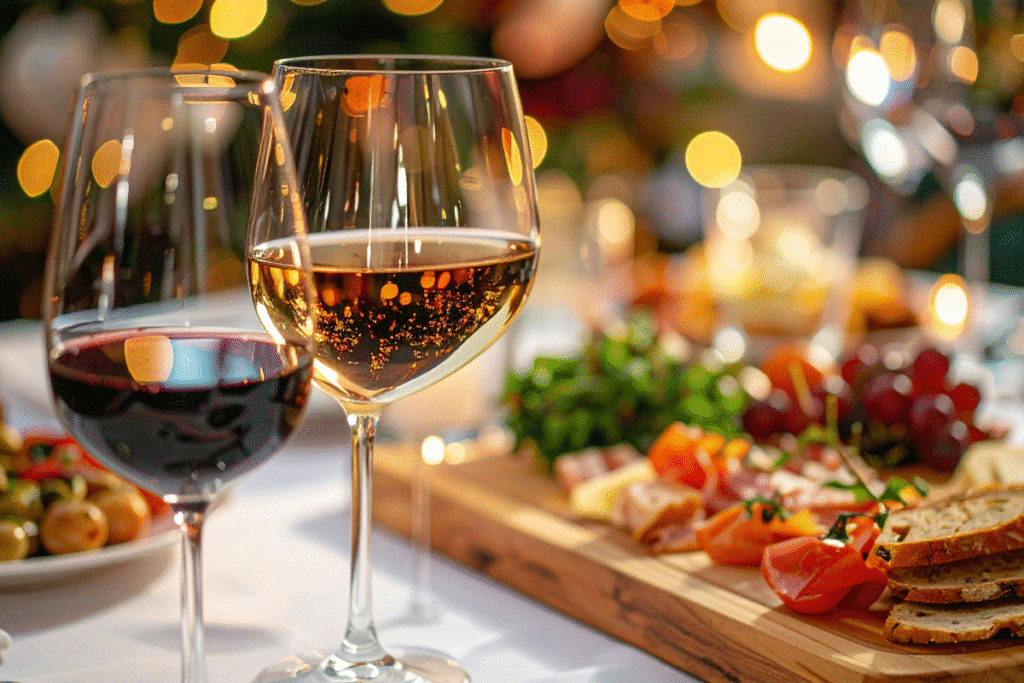
4. Alcohol
Alcohol disrupts sleep, spikes cortisol, increases cravings, and causes dehydration.
Most problematic drinks include:
• Wine
• Mulled wine
• Spiked cider
• Sugary cocktails
• Holiday punches
If you drink, do so earlier in the evening.
5. Heavy, Late-Night Meals
Nighttime eating can delay melatonin release, worsen sleep, and create next-day fatigue.
Try eating your main meal earlier in the day when possible.
Simple Strategies for Enjoying the Holidays Without the Crash
These strategies help you enjoy all your favorite foods without feeling terrible afterward.
1. Start Every Meal With Protein
Take 2–3 bites of protein before touching the sides or sweets.
This alone can stabilize your blood sugar by 20–30%.
2. Add 1–2 Servings of Color (Fiber)
A little fiber goes a long way toward improving digestion and reducing bloating.
3. Choose Slow Carbs When Possible
Sweet potatoes or roasted veggies instead of dinner rolls or white bread stuffing.
4. Choose 1–2 Foods You Love
Holiday food should be enjoyed.
Be intentional: pick what you truly love and skip the things you don’t care about.
5. Drink Water Between Treats or Alcoholic Drinks
This reduces cravings and keeps you from overeating.
6. Don’t Show Up to a Party Starving
Have a protein snack before you go—Greek yogurt, turkey slices, eggs, or a protein shake work well.
7. Enjoy Dessert Slowly
You don’t need to avoid dessert.
Pair it with a small protein source or eat it after your meal to avoid the crash.
Case Study: “I Always Gain 5 Pounds by January”
A 44-year-old patient came to me frustrated. She said:
“Every holiday season I gain weight, get bloated, my sleep gets worse, and I feel terrible by January.”
When we looked closely, we found:
• Low protein at meals
• Very little fiber
• High sugar intake
• Lots of late-night eating
• Alcohol multiple times a week
• Blood sugar swings
• Estrogen changes magnifying her symptoms
We implemented a holiday hormone strategy:
• Protein-first at meals
• More fiber and color
• Slow carbs instead of refined carbs
• Earlier dinners
• Water between alcoholic drinks
• Choosing only desserts she truly loved
She didn’t feel deprived. She enjoyed her holidays—and entered January with steady energy, no weight fluctuations, and zero bloating.
She felt in control again.
Download the Holiday Food Hormone Guide
You can download your guide here:
Holiday Food Hormone Guide link here
This simple resource helps you choose foods that support hormone balance while still enjoying the season.
Want Deeper Support for Hormones, Mood, Energy, or Weight?
The first step is to complete our Readiness Questionnaire.
This helps us see whether our programs are a good fit and gives you clear next steps—regardless of the results.
New Patient Readiness Questionnaire link here
Medical References
- Ludwig DS. The glycemic index and hormonal regulation. JAMA. https://pubmed.ncbi.nlm.nih.gov/11988062/
- Dietary Guidelines for Americans Guidelines and Key Recommendations. https://www.ncbi.nlm.nih.gov/books/NBK469839/
- Effect of macronutrients and fiber on postprandial glycemic responses and meal glycemic index and glycemic load value determinations. https://ajcn.nutrition.org/article/S0002-9165(22)04830-4/fulltext
- Metabolism of sugars and physical performance. https://www.sciencedirect.com/science/article/abs/pii/S0002916523188915
- Sleep, Sleepiness, and Alcohol Use. https://pmc.ncbi.nlm.nih.gov/articles/PMC6707127/
Medical DisclaimerThis article is for educational purposes only and is not intended to diagnose, treat, or replace medical care.
Always consult with a qualified healthcare provider before making changes to your diet, supplements, medications, or treatment plans.
If you are experiencing symptoms that concern you, seek medical evaluation.