

Sarah sat in her car after yet another doctor’s appointment, staring at her lab results on her phone.
Her provider had told her, “Everything looks normal.”
But Sarah didn’t feel normal.
She was exhausted.
Her joints ached.
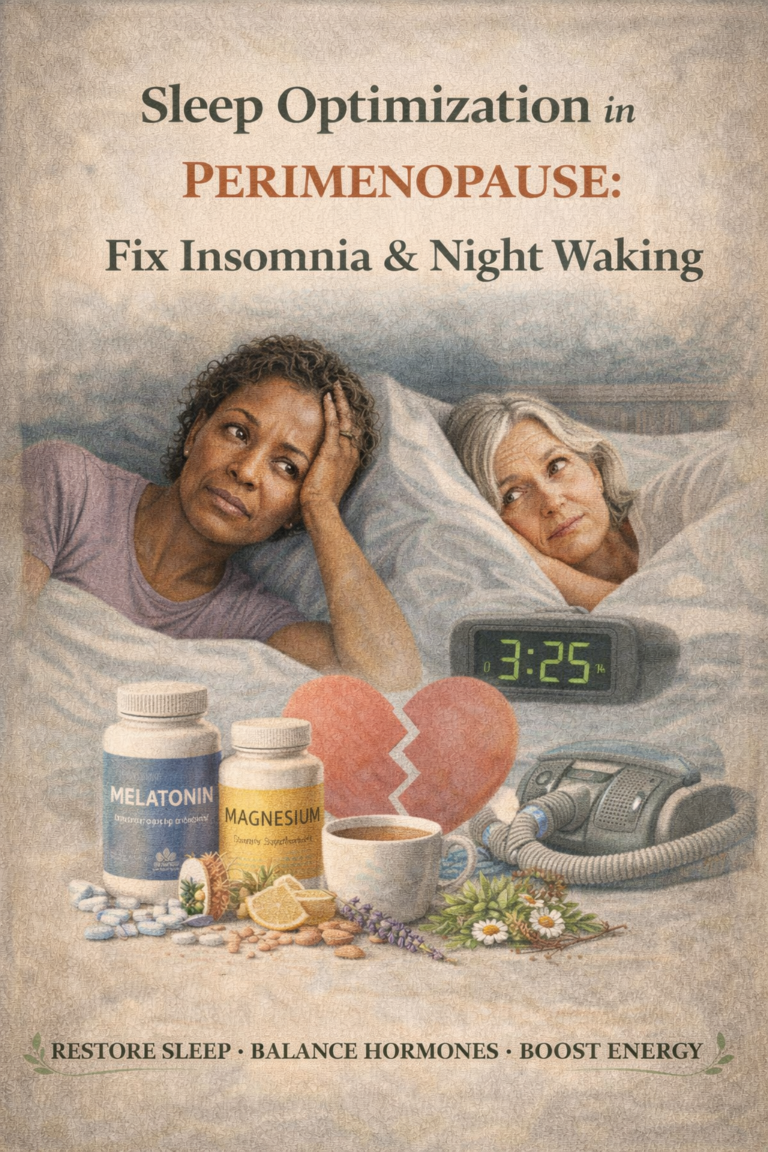
Her sleep was broken.
Her brain felt foggy.
She worried about her bones, her heart, and her memory as she got older.
When she asked what her estrogen level meant, the answer was vague:
“It’s in range, so there’s nothing to worry about.”
But what range?
And what does estrogen actually protect as we age?
If this sounds familiar, you’re not alone.
Many women in perimenopause and menopause are told their labs are “normal,” yet no one explains:
- What those numbers mean
- What levels protect long-term health
- Or why symptoms and disease risk still increase
Let’s break it down clearly.
What Is Estradiol (E2)?
Estradiol is the main form of estrogen in women.
Estrogen is not just about periods or hot flashes.
It acts like a protective signal for many parts of the body, including:
- 🦴 Bones – keeps bones strong and slows bone loss
- ❤️ Heart & blood vessels – helps keep arteries flexible and healthy
- 🧠 Brain – supports memory, focus, mood, and brain energy
- 🧬 Metabolism & aging – affects insulin sensitivity and inflammation
When estradiol drops too low for too long, the body ages faster.
Why “Normal” Lab Ranges Can Be Misleading
Most lab “normal” ranges are based on population averages, not optimal health.
That means:
- A value can be “normal” on paper
- But not high enough to protect bones, heart, or brain
👉 At Antigravity Wellness, we look at:
- Symptoms
- Life stage (perimenopause vs menopause)
- Disease prevention
- Individual risk factors
—not just whether a number is flagged in red.
Estradiol Gold Ranges by Life Stage & Health Goal
🔹 Perimenopause (Still Cycling, Hormones Fluctuating)
| Goal | Estradiol Level (pg/mL) |
| Symptom relief | 60–100 |
| Bone protection | ≥60 |
| Heart & brain support | 80–120 |
| Optimal physiologic range | 80–150 |
In perimenopause, estrogen can swing high and low. Labs must always be interpreted with symptoms and cycle timing.
🔹 Early Menopause (Within ~10 Years of Final Period)
This is the most important window for disease prevention.
| Goal | Estradiol Level (pg/mL) |
| Hot flash & symptom control | 40–80 |
| Bone protection | ≥60 |
| Heart protection | 60–100 |
| Brain protection | 60–100 |
| Longevity-focused range | 70–120 |
📌 Levels below ~40 pg/mL are linked to:
- Faster bone loss
- Higher fracture risk
- Worsening blood vessel health
- Brain energy decline
🔹 Later Menopause (>10 Years)
Goals are more conservative and individualized.
| Goal | Estradiol Level (pg/mL) |
| Bone maintenance | 50–80 |
| Brain support | 50–80 |
| Quality of life | 40–80 |
How Estradiol Patches Relate to Blood Levels
Transdermal estrogen (patches) is often preferred because it:
- Delivers steady estrogen
- Avoids the liver
- Has lower clot risk than oral estrogen
Typical Estradiol Patch Doses
| Patch Dose | Approximate Estradiol Level |
| 0.025 mg/day | ~30–50 pg/mL |
| 0.0375 mg/day | ~40–60 pg/mL |
| 0.05 mg/day | ~60–90 pg/mL |
| 0.075 mg/day | ~80–120 pg/mL |
| 0.1 mg/day | ~100–150+ pg/mL |
These are averages. Absorption varies by skin, body composition, thyroid status, and placement.
Labs are typically checked 6–8 weeks after a dose change.
Why Estradiol Matters for Bone Health
Estrogen slows the cells that break down bone.
Research shows:
- Estradiol ≥60 pg/mL helps preserve bone density
- Levels <40 pg/mL increase fracture risk
This is why “lowest dose possible” is not always protective.
Estradiol and Heart Health
When started at the right time:
- Estradiol improves blood vessel function
- Reduces inflammation
- Improves cholesterol balance
💡 Transdermal estrogen does not increase cardiovascular risk in healthy women and may be protective when started early.
Estradiol and Brain Health
Estradiol:
- Helps brain cells use glucose (fuel)
- Supports memory centers
- Reduces neuroinflammation
Low estrogen is linked to:
- Brain fog
- Mood changes
- Increased dementia risk over time
What About Cancer Risk?
This is one of the biggest fears — and one of the most misunderstood topics.
Key points:
- Estrogen alone (in women without a uterus) did not increase breast cancer risk in large studies
- Estrogen + proper progesterone does not increase breast cancer risk
- Estrogen therapy reduces colon cancer risk
- Risk rises with unopposed estrogen, not balanced therapy
Progesterone Is Essential (If You Have a Uterus)
Progesterone:
- Protects the uterine lining
- Improves sleep
- Calms the nervous system
- Supports breast and brain health
Common dosing:
- Micronized progesterone 100–200 mg nightly, individualized per patient
Case Study (Details Changed for Privacy)
“Lisa,” age 52
- Postmenopausal for 2 years
- Severe fatigue, bone density loss, brain fog
- Estradiol level: 18 pg/mL
- Told this was “normal for menopause”
Treatment Approach:
- Estradiol patch 0.05 mg/day
- Oral micronized progesterone 100 mg nightly
- Labs rechecked at 8 weeks
Results:
- Estradiol increased to 72 pg/mL
- Sleep improved
- Energy returned
- Bone loss stabilized
- Brain fog significantly improved
How Antigravity Wellness Approaches Hormone Therapy
At Antigravity Wellness, hormone replacement therapy is:
- Personalized
- Evidence-based
- Closely monitored
We assess:
- Symptoms
- Lab values
- Medical history
- Family history
- Cardiovascular, bone, and cancer risk factors
Our goal is not just symptom relief, but long-term protection and healthy aging.
Ready to Learn If Hormone Therapy Is Right for You?
If you’re confused by your labs or wondering what your numbers should be, we can help.
👉 Take our Readiness Questionnaire to learn if hormone optimization may be appropriate for you and what your next steps could be.
Medical References
- North American Menopause Society (NAMS). Hormone Therapy Position Statement. https://pubmed.ncbi.nlm.nih.gov/35797481/
- Endocrine Society Clinical Practice Guidelines. https://www.endocrine.org/clinical-practice-guidelines
- The Women’s Health Initiative Hormone Therapy Trials. https://pmc.ncbi.nlm.nih.gov/articles/PMC3963523/
- Prior JC. Estrogen and the Cardiovascular System. https://pmc.ncbi.nlm.nih.gov/articles/PMC5688223/
- Estrogen: a master regulator of bioenergetic systems in the brain and body. https://pubmed.ncbi.nlm.nih.gov/23994581/
- Manson JE et al. Menopause hormone therapy and long-term health outcomes. https://pubmed.ncbi.nlm.nih.gov/24084921/
Medical DisclaimerThis article is for educational purposes only and is not intended to diagnose, treat, or replace medical care. Hormone therapy decisions should always be made with a qualified healthcare provider and individualized based on medical history, symptoms, labs, and risk factors.