


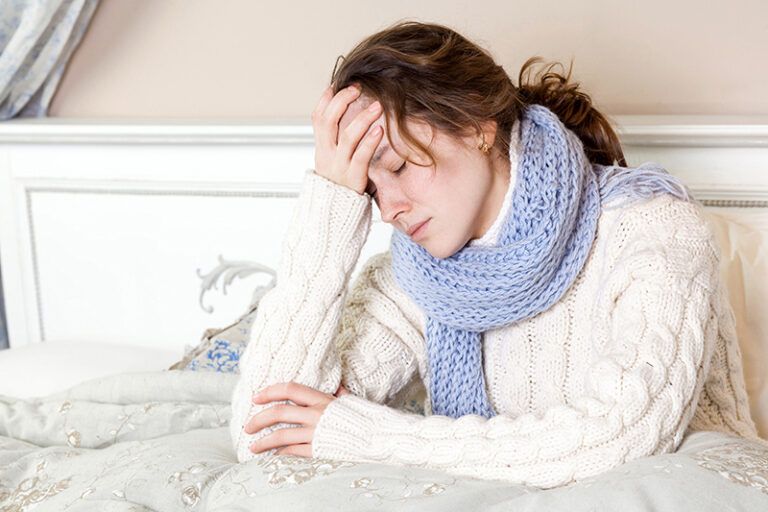
It was early November in the Pacific Northwest—gray skies, drizzly mornings, and the sun tucked behind clouds well before dinner. Sarah had always thought of herself as a pretty resilient person. She’d weathered career transitions, parenthood, and the usual midlife shifts without major struggle.
But this fall, something felt off.
She noticed the heaviness that crept in as the days shortened: mornings when she just couldn’t drag herself out of bed, an appetite shift toward carbs and sweets, a deep fatigue she couldn’t explain, and a creeping sadness that she resisted but couldn’t shake.
On top of that, she’d been in perimenopause for some time—hot flashes, disrupted sleep, hormonal swings. Somehow, the season’s darkness amplified everything. And this year, instead of passing through with the usual “winter blues,” she felt stuck. More than just the typical “meh”—the yawning fatigue, the low mood, the reduced motivation were real.
When she finally reached out for help, she was told she might be experiencing both hormonal‐driven mood changes and the classic seasonal shift in her brain and rhythms.
Suddenly, it made sense: the shorter days hitting her circadian rhythm, less light stimulating serotonin, the hormonal rollercoaster of perimenopause making her more vulnerable.
The good news: she wasn’t alone—and with early action, there were things she could do.
What is Seasonal Affective Disorder (SAD)?
Seasonal Affective Disorder is a mood condition that follows a seasonal pattern—most commonly emerging in the fall and winter when daylight hours are shorter. In many individuals it manifests as increased sleep, weight gain or appetite change (especially craving carbs), low energy, social withdrawal, and a low mood that lifts again when spring arrives.
The mechanisms are complex but include:
- Reduced sunlight → less stimulation of the retina → potential dysregulation of circadian rhythms.
- Lower serotonin or disrupted serotonin regulation in winter months in susceptible individuals.
- Melatonin dysregulation and the delayed or shifted internal clock in lower-light conditions.
Although SAD is often discussed as a discrete diagnosis, many people experience a version of it—sometimes called sub-syndromal SAD—where the mood shifts are milder but still meaningful.
Why Does This Matter Especially in Washington & Oregon (Pacific Northwest)?
If you live in the Pacific Northwest, you know how the seasons shift: long rainy stretches, shorter daylight hours, often overcast skies even in daytime. These are exactly the conditions that can exacerbate seasonal mood shifts. It’s not that everyone gets full‐blown SAD—but the risk of light deficiency, circadian rhythm disruption, and mood vulnerability is higher.
For a woman in perimenopause—who may already be experiencing hormonal fluctuation, sleep disruption, mood vulnerability—these seasonal triggers can amplify the effect. Research indicates that the menopause transition is a period of increased risk for mood disorders: a review found that women in perimenopause have a 2-5× increased risk for depressive symptoms compared to late pre-menopause. (PMC)
Another recent paper underscores that fluctuating levels of estrogen during the menopause transition may increase biological vulnerability to mood disturbances. (Frontiers) Moreover, hormonal changes during perimenopause can affect serotonin pathways, sleep quality, and resilience to stressors—meaning that when daylight shrinks, the “buffer” is less robust. (Johns Hopkins Medicine)
The Impact on Perimenopause & Midlife Women
Here is why the intersection of SAD and perimenopause merits attention:
- Hormonal fluctuation + seasonal triggers: Estrogen and progesterone fluctuations can impair mood regulation, so the added stress of lower light and changing day length may tip someone into a more significant mood shift. (PMC)
- Sleep issues: Perimenopause often brings hot flashes, night sweats, insomnia. Poor sleep is, in turn, a major risk for depressed mood. (Johns Hopkins Medicine) Combine that with early darkness and your internal rhythm gets further disrupted.
- Circadian rhythm disruption: As daylight shortens, our internal clocks shift. For someone already vulnerable, the shift may reduce resilience, lower energy, and worsen mood. (Wearables research shows that higher depressive symptom scores are linked with irregular circadian rhythms and activity delays—with seasonal modulation.) (arXiv)
- Quality of life & productivity: Women in midlife often juggle multiple roles—work, caregiving, health changes. When mood and energy drop, it impacts productivity, relationships, physical health, menopausal symptoms (which may feel worse when mood is low).
- Misattribution: It’s easy to chalk it up to “just perimenopause mood swings” or “winter blahs,” and miss the seasonal amplification. Recognizing the seasonal layer can open additional tools for intervention.
Measures to Take as We Move Into the Winter Months
Even if you’re not formally diagnosed with SAD, these season-smart measures can bolster your mood, rhythm, and wellness. Here’s a toolkit:
- Light exposure & routine
- Aim for bright natural light exposure early in the day—ideally 20-30 minutes of outdoor time soon after waking. Even on cloudy Pacific Northwest mornings, outdoor exposure helps.
- If natural light is limited, consider a light therapy box (10,000 lux) after consulting your healthcare provider.
- Consistent wake/sleep times help anchor the circadian rhythm.
- Movement and outdoor activity
- Daily movement—especially outdoors—boosts mood, supports circadian entrainment, and increases serotonin regulation.
- Even short walks during daylight hours make a difference.
- Sleep hygiene
- Prioritize sleep routines: dark bedroom, no screens before bed, consistent bedtime, managing night sweats/hot flashes (through cooling strategies).
- Address any hormonal or menopausal sleep disruptors proactively.
- Nutrition and hydration
- Maintain a nutrient-dense diet; avoid heavy reliance on simple carbs for mood.
- Ensure adequate vitamin D (especially in lower-light months), omega-3s, and iron if relevant (many women in perimenopause also struggle with iron issues).
- Stress management & social connection
- Keep daytime social contact, even when you might feel like withdrawing.
- Mind-body practices (meditation, yoga, breathing) can mitigate mood dips.
- Recognize the seasonal shift, plan proactively rather than reactively.
- Hormonal and medical evaluation
- If you’re perimenopausal, discuss with your clinician how hormonal changes might be influencing mood. Hormone therapy, antidepressants, or other targeted treatments may be appropriate. (Mass General Brigham)
- Rule out thyroid dysfunction, anemia, vitamin D deficiency, or other medical contributors.
- Behavioral scheduling
- Plan pleasurable, meaningful activities especially during daylight hours. Keeping a mood/activity log can help you detect downward shifts early.
- Mind your mindset
- Recognize that what you’re experiencing may have both a seasonal and hormonal component, and that taking proactive steps is a strength, not a sign of weakness.
Case Study: “Marie”
Marie is a 48-year-old woman living in Western Washington. She entered perimenopause two years ago: irregular cycles, hot flashes, sleep disruption. In past summers she felt fine, but this fall as the days shortened she noticed:
- Persistent fatigue starting mid-afternoon
- Craving starchy snacks, unintentional weight gain of ~5 lbs
- Trouble motivating herself for her glutes/quads workouts—she’d been disciplined, now she just felt “flat”
- More irritability, frequent tears, and a “why bother” feeling she’d never recognized before
- Hot flashes and waking at 3–4 a.m., then lying awake, then feeling foggy in the morning
She scheduled a consult with me, Dr. Nicole Smith, DNP, at Antigravity Wellness. During her visit, I noted: The textbook signs of perimenopausal mood vulnerability + the shift in daylight/time of year = a perfect storm for “seasonal amplified” mood disruption.
Together, we implemented a plan:
- Morning light therapy for 20 mins, adjusted sleep-wake schedule (rise at 6 a.m., outdoor walk before work)
- Nutritional support for vitamin D and iron, as her functional labs showed she was low
- And a behavioral mood/activity log.
At 8 weeks she reported:
- improved afternoon energy
- fewer snacks
- resumed gym workouts
- mood more stable
- no more afternoon slump
While her hot flashes and hormonal shifts were being addressed with BHRT, this extra step got her to fully feel better. Recognizing the seasonal pattern helped her not attribute everything to “aging” or “just part of menopause” and instead activate effective tools.
Final Thoughts
As we head into the darker months in the Pacific Northwest, it’s a wise time for midlife women—especially those in perimenopause—to proactively address mood, rhythm, and light exposure.
Even if you’re not formally diagnosed with SAD, the combination of seasonal light change + hormonal vulnerability means you may benefit substantially from targeted lifestyle adjustments.
At Antigravity Wellness we take into account the whole person—your circadian rhythm, lifestyle patterns, hormonal status, mood trends, and environmental context—to create a comprehensive care plan.
If you’re a woman in WA or OR interested in seeing whether this integrated model is a fit for you, follow us @antigravitywellness on Instagram and send us a DM “Hormone Help” to get started and access our pre-visit Readiness Questionnaire.
✨ Want to learn how to use light to boost your mood, sleep, and hormones year-round? Download my free Light & Hormone Connection Guide here and discover how small daily changes in light exposure can make a big difference in your energy and wellbeing.
—
References
- Musial N, et al. Perimenopause and First-Onset Mood Disorders: A Closer Look. PMC, 2021. (PMC)
- Joffe H. Perimenopause & Depression. Mass General Brigham, May 2025. (Mass General Brigham)
- “Perimenopause made me hate autumn.” Hello! Magazine, Nov 2024. (HELLO!)
- Menopause and Seasonal Depression. Women’s Health & Menopause Center. (whmcenter.com)
- Bromberger JT, et al. Depression During & After the Perimenopause. PMC, 2018. (PMC)
- Herrera-Pérez JJ, et al. The intersection between menopause and depression. Frontiers in Psychiatry, 2024. (Frontiers)
- Seasonal Pattern Assessment Questionnaire. Wikipedia. (Wikipedia)
Medical Disclaimer
This blog post is for educational purposes only and is not a substitute for personal medical advice, diagnosis, or treatment. Always consult your qualified healthcare provider with any questions you may have regarding a medical condition or before implementing any lifestyle changes.