

Why It Happens, Why It’s Not “Just Food,” and What You Can Do About It
“I Know This Sounds Embarrassing, But…”
She lowers her voice.
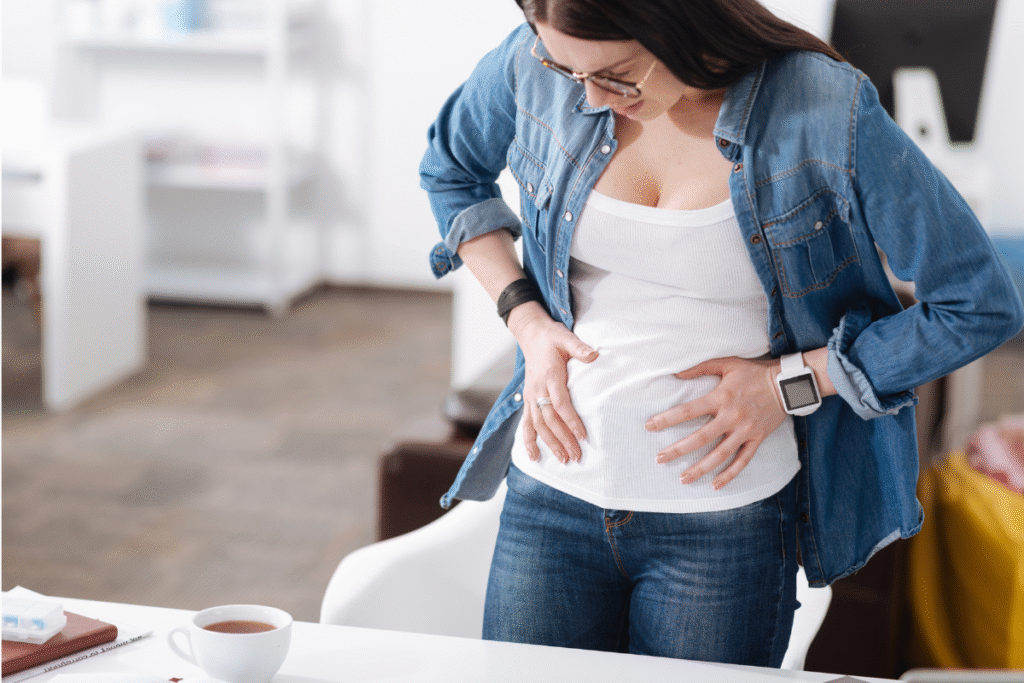
“I feel bloated and gassy by the end of every day. My stomach sticks out. My clothes don’t fit right. I feel uncomfortable, lethargic, and honestly… unattractive.”
She’s quick to add: “I don’t eat terribly. I haven’t had surgery. Nothing has really changed—except my hormones.”
And she’s right.
Gas and abdominal distension are some of the most common—and least talked about—complaints in perimenopausal and menopausal women. Not because they’re rare, but because women are often embarrassed to bring them up or have been told to “just avoid certain foods.”
The truth is: 👉 This is not something you just have to live with.
👉 And it’s rarely just about the food.
—
What’s Actually Causing Abdominal Gas and Bloating?
Gas and abdominal distension are the result of complex interactions between:
The food you eat
Your gut microbiome
Digestive secretions (stomach acid, bile, enzymes)
Gut motility
Nervous system signaling
Hormonal changes
Stress and cortisol levels
When any one of these systems is off, gas and bloating can follow. When several are off—as often happens in perimenopause and menopause—symptoms can escalate quickly.
—
It’s Not Just “What You Ate” — It’s How Your Gut Is Handling It
Gas is produced when food is:
Poorly digested
Fermented excessively by gut bacteria
Moving too slowly or too quickly through the GI tract
Even foods you’ve tolerated for years can suddenly cause symptoms if:
Stomach acid is low
Bile flow is impaired
Digestive enzymes are insufficient
The gut microbiome has shifted
Gut motility has changed
And yes—all of these are influenced by hormones.
—
The Gut–Brain Axis: Why Stress Makes Bloating Worse
The gut and brain are in constant communication through the gut–brain axis, involving:
The vagus nerve
Neurotransmitters
Hormones
Immune signaling
When stress is high:
Blood flow is diverted away from digestion
Motility becomes irregular
Sensitivity to gas increases
The gut becomes more reactive
This is why bloating often worsens:
Later in the day
During high-stress periods
Around hormonal fluctuations
It’s not “in your head.”
It’s neurophysiology.
—
Hormones, Perimenopause, and the Estrobolome
One of the most overlooked contributors to midlife gut symptoms is the estrobolome.
The estrobolome is the collection of gut bacteria involved in:
Metabolizing estrogen
Regulating how estrogen is reabsorbed or eliminated
During perimenopause and menopause:
Estrogen levels fluctuate and decline
The estrobolome often becomes dysregulated
Estrogen metabolism becomes inefficient
This can lead to:
Increased bloating
Gas
Constipation or diarrhea
Estrogen-dominant or estrogen-deficient symptoms
Worsening PMS-like symptoms despite no longer cycling normally
This is why women often say:
> “I never had gut issues before—why now?”
Hormones change the environment of the gut.
—
Sidebar: A Special Population — Women Without a Gallbladder
Women who have had a cholecystectomy (gallbladder removal) deserve special attention—and far more education than they typically receive.
The gallbladder stores and concentrates bile. Without it:
Bile trickles continuously instead of being released in response to meals
Fat digestion can become impaired
The small intestine environment changes
This increases risk for:
Bloating and gas
Diarrhea or constipation
Indigestion
IBS-like symptoms
Small Intestinal Bacterial Overgrowth (SIBO)
Additionally:
Scar tissue (adhesions) can alter gut motility
Poor bile flow can worsen microbiome imbalance
For these women, proper evaluation is critical. Blindly cutting foods or adding random supplements often makes things worse.
—
Why Functional Gut Testing Can Be a Game Changer
At Antigravity Wellness, we don’t guess.
Functional gut testing allows us to evaluate:
Microbiome balance
Overgrowth of bacteria or yeast
Digestive enzyme function
Inflammation
Bile acid patterns
Pathogens or opportunistic organisms
This helps us decide:
When dietary changes are appropriate
When digestive enzymes or bile support are needed
When antimicrobials are indicated
When stress and nervous system work must come first
—
When to Escalate to Conventional Testing
Functional and traditional medicine are not opposites—they are complements.
There are times when FDA-approved testing is absolutely indicated, such as:
H. pylori breath testing for persistent upper GI symptoms
Imaging or endoscopy for red-flag symptoms
Stool pathogen testing when infection is suspected
Ignoring chronic bloating and gas is not benign. These symptoms can indicate underlying pathology and deserve proper evaluation.
—
A Case Study from Antigravity Wellness
A woman came to us exhausted.
Every evening she felt:
Bloated
Gassy
Heavy
Uncomfortable in her own body
She had already tried:
Eliminating foods
Probiotics
Digestive teas
Over-the-counter supplements
Nothing stuck.
Through comprehensive evaluation, we identified:
Gut dysbiosis
Impaired digestion
Hormonal imbalance
Micronutrient deficiencies
Chronic stress driving gut reactivity
Her care plan included:
Targeted functional gut testing
Hormone and micronutrient evaluation
Strategic dietary changes (not restriction)
Digestive support
Stress and nervous system regulation
Ongoing coaching and monitoring
Within three months, her symptoms resolved.
She no longer ended her days bloated, gassy, or defeated. She felt energized, comfortable, and confident again.
—
About Antigravity Wellness
At Antigravity Wellness, we specialize in:
Gut health and hormone health for women
Perimenopause and menopause care
Root-cause evaluation
Personalized, evidence-based treatment plans
Simplifying—not overwhelming—your health journey
If you’re experiencing gut symptoms alongside hormonal changes, you do not have to normalize suffering.
👉 Take our Readiness Questionnaire to see if we’re the right fit for you.
—
References
1. Mayer EA. The gut–brain axis: bidirectional communication and clinical implications. Gastroenterology. https://doi.org/10.1146/annurev-med-042320-014032
2. Cryan JF, et al. The microbiota–gut–brain axis. Physiological Reviews. https://journals.physiology.org/doi/full/10.1152/physrev.00018.2018
3. Plottel CS, Blaser MJ. The Intestinal Microbiome and Estrogen Receptor–Positive Female Breast Cancer. https://academic.oup.com/jnci/article/108/8/djw029/2457487
4. Quigley EM. Gastrointestinal Motility: An Academic and Research Perspective. https://karger.com/Article/PDF/92874
5. DiBaise JK, et al. Role of bile acids in gut microbiota. Neurogastroenterology & Motility. https://www.elsevier.es/en-revista-annals-hepatology-16-pdf-download-S1665268119310403
6. Matthew Bohm. Diagnosis and management of small intestinal bacterial overgrowth. https://pubmed.ncbi.nlm.nih.gov/23614961/
—
Medical Disclaimer
This article is for educational purposes only and does not constitute medical advice. Gastrointestinal symptoms may indicate underlying medical conditions. Always consult a qualified healthcare provider before initiating or changing any treatment, supplement, or diet.