

Every January, women tell me the same thing:
“I want to feel better… but I don’t even know where to start.”
Some are coming off a stressful holiday season. Some feel bloated or exhausted. Some have gained weight despite “doing everything right.” Others feel anxious, foggy, or out of rhythm with their bodies.
If you’re in your late 30s, 40s, or early 50s, the truth is this:
You cannot reset your health the same way you did at 25.
Because perimenopause changes everything about your metabolism, mood, sleep, and stress levels.
This blog will show you exactly how to start 2026 with a reset designed for midlife biology — not generic wellness tips.
—
Why Women Need a Different Reset in Perimenopause
Perimenopause is a phase where hormone levels shift month to month.
Estrogen, progesterone, cortisol, insulin, and thyroid hormones all interact differently than before.
This is why you may notice:
More bloating
More cravings
Trouble losing or maintaining weight
Afternoon crashes
Poor sleep
Anxiety or irritability
Low motivation
Period changes
Slower recovery from stress
Your body is not broken.
It needs a different strategy — one that supports your physiology now.
—
The Four Pillars of a Successful Midlife Reset
There are four areas that dramatically improve how you feel in perimenopause.
Think of these as your foundation for 2026:
1. Sleep Stability
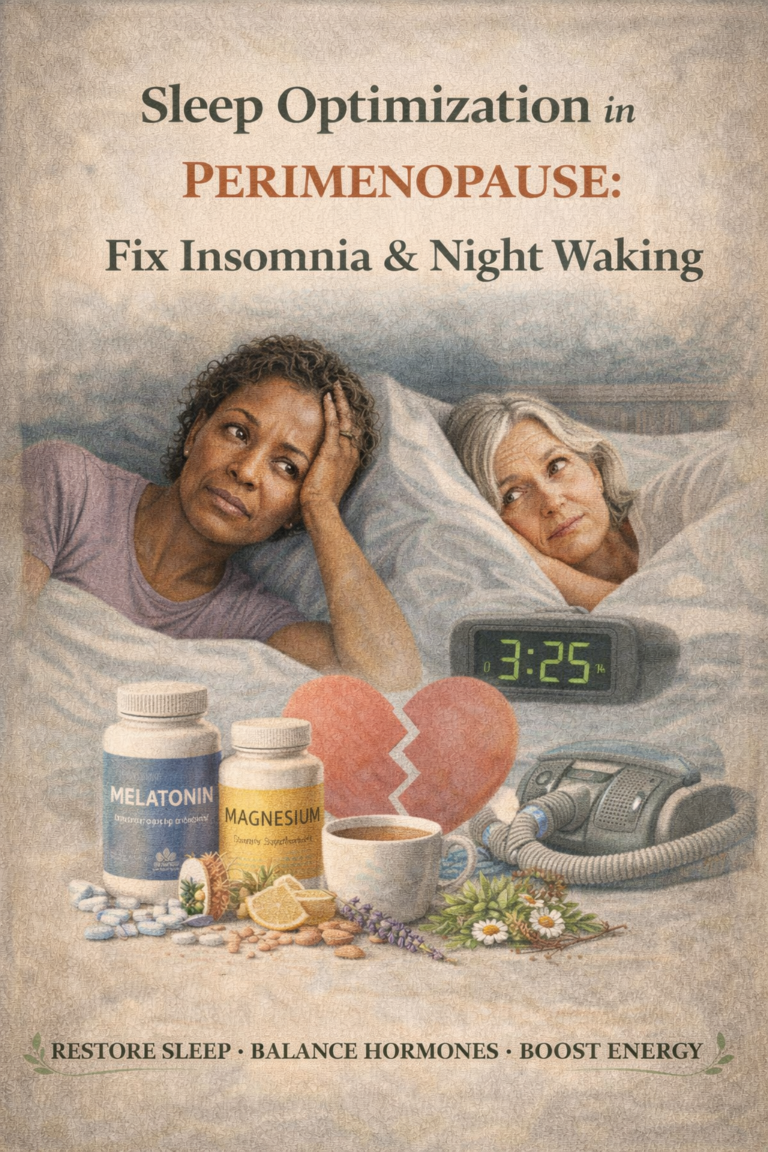
Poor sleep increases cortisol, worsens cravings, slows metabolism, and makes mood swings more intense.
Most women in perimenopause need a bedtime routine more than ever.
2. Stress Regulation
High cortisol leads to belly fat, fatigue, joint pain, and blood sugar swings.
A reset must calm your nervous system daily.
3. Blood Sugar Balance
Perimenopause makes swings in blood sugar more extreme, which affects mood, focus, appetite, and weight gain.
4. Consistent Movement
Not long workouts — consistent movement that supports muscle, metabolism, and stress reduction.
These four pillars don’t require a full lifestyle overhaul.
They require steady, hormone-supportive habits.
—
The 7-Day Perimenopause Reset to Start 2026 Strong
Here is a simple reset you can start any time this month:
Day 1: Protein First
Eat protein first at every meal to reduce cravings, stabilize blood sugar, and support muscle.
Day 2: Hydration Reset
Drink half your body weight in ounces of water. Add electrolytes if you feel tired or swollen.
Day 3: Stress Reset
Do 10 minutes of something calming: stretching, breathwork, yoga, or a slow walk.
Day 4: Sleep Reset
Begin winding down 30–60 minutes before bed: dim lights, no screens, warm shower, reading, or magnesium glycinate (if cleared by your provider).
Day 5: Anti-Inflammatory Boost
Add two anti-inflammatory foods: berries, salmon, leafy greens, avocado, olive oil, or nuts.
Day 6: Movement Reset
A 20-minute walk, bodyweight strength session, yoga, or dancing.
Intensity is optional. Consistency is key.
Day 7: Environment Reset
Reset one small space — your nightstand, pantry shelf, or workout corner — to support your new habits.
This is not a restrictive diet.
It is a gentle physiological reset to help your hormones work with you.
—
Case Study: “I Finally Feel Like Myself Again”
A 47-year-old patient came to me last year feeling exhausted, bloated, and stuck. She said:
“I’m doing everything I can, but nothing is working anymore.”
She wasn’t broken — she was in perimenopause, and still using strategies that used to work 10 years ago.
We applied the exact reset above.
Within three weeks, she noticed:
Better sleep
More energy
Fewer cravings
Less bloating
Improved mood
Less afternoon crashing
A sense of momentum again
This wasn’t the result of a strict plan.
It came from giving her body what it needed at this stage of life.
—
If You Want the Full Reset Guide
You can download the complete guide — including daily checklists, meal examples, movement ideas, and hormone-supportive strategies — here:
The Ultimate 2026 Perimenopause Health Reset Guide
—
If You’re Ready for Personalized Help
If you’re trying to reset your health but still struggling with:
Weight changes
Fatigue
Mood swings
Poor sleep
Perimenopause symptoms
Hormone imbalances
Thyroid issues
Blood sugar problems
…it may be time for a deeper evaluation.
At Antigravity Wellness, we specialize in helping midlife women understand what’s actually happening inside their bodies.
The first step is simple:
Take the Readiness Questionnaire
It helps you determine whether our programs are the right fit — and gives you clear next steps either way.
Patient Readiness Questionnaire
—
Medical References
1. Santoro N. Perimenopause: hormonal changes and symptom patterns. Endocrinology and Metabolism Clinics. https://pubmed.ncbi.nlm.nih.gov/33095879/
2. Thurston RC. Vasomotor symptoms and midlife metabolic changes. Menopause. https://pmc.ncbi.nlm.nih.gov/articles/PMC3185243/
3. Pamela A Minarik. Sleep disturbance in midlife women. https://pubmed.ncbi.nlm.nih.gov/19538623/
4. Ariana M Chao. Stress, cortisol, and other appetite-related hormones. https://pmc.ncbi.nlm.nih.gov/articles/PMC5373497/
5. Richard S Legro. Insulin Resistance in Women’s Health: Why It Matters and How to Identify It. https://pmc.ncbi.nlm.nih.gov/articles/PMC3590839/
—
Medical Disclaimer
This article is for educational purposes only and is not a substitute for medical advice, diagnosis, or treatment. Always consult with a licensed healthcare provider before changing your diet, exercise, supplements, or medications.