

She was shocked when her lab results came back.
Her testosterone was listed as “normal.”
But she felt anything but normal.
She had:
- No energy
- No motivation to exercise
- Muscle loss despite training
- Brain fog
- Low libido
- Mood changes she didn’t recognize as herself
When she asked her provider about testosterone, the answer was quick:
“Women don’t really need testosterone.”
That statement is flat-out wrong.
Testosterone is a critical hormone for women, especially in perimenopause and menopause.
Let’s break down what testosterone actually does, what the labs mean, and what optimal ranges look like for women who want strength, clarity, and long-term health.
What Is Testosterone in Women?
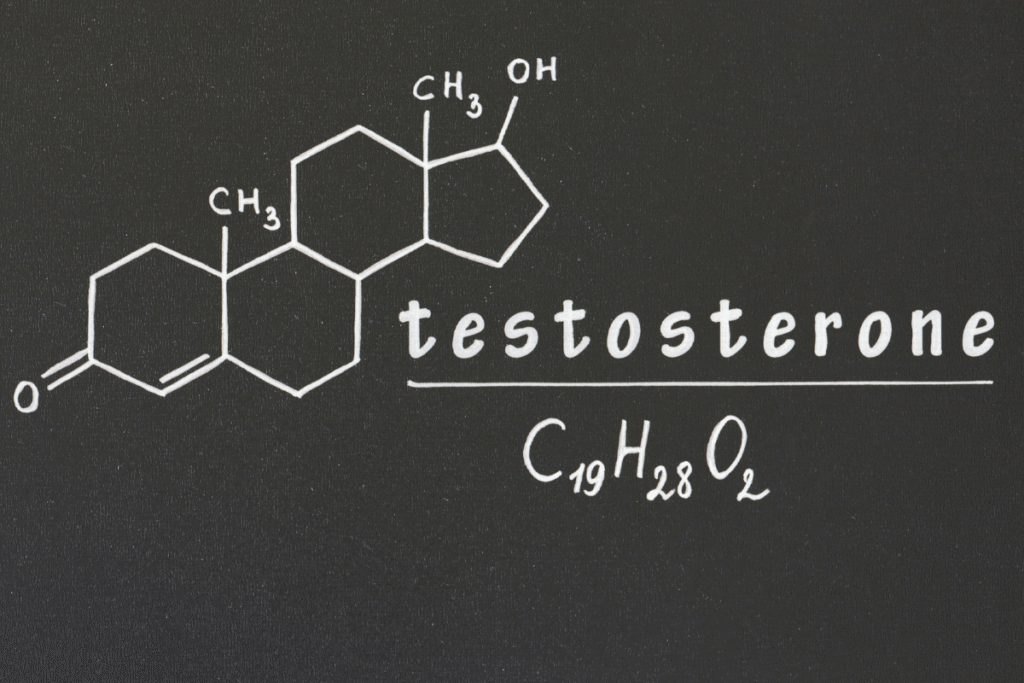
Testosterone is often called a “male hormone,” but women make testosterone too — just in smaller amounts.
In women, testosterone supports:
- 💪 Muscle strength & lean mass
- 🦴 Bone density
- 🧠 Brain function & motivation
- ❤️ Metabolic health
- 🔥 Libido & sexual response
- 😌 Mood & confidence
Testosterone naturally declines with age, often starting in the late 30s and accelerating after menopause.
Total Testosterone vs Free Testosterone (What’s the Difference?)
This is where a lot of confusion happens.
🔹 Total Testosterone
- The total amount of testosterone in your blood
- Includes testosterone that is bound and unbound
- Can look “normal” even when symptoms are severe
🔹 Free Testosterone
- The active form your body can actually use
- This is what affects muscles, brain, libido, and energy
- Often low even when total testosterone is normal
👉 Free testosterone matters more than total testosterone for symptoms.
What Is SHBG and Why Does It Matter?
SHBG (Sex Hormone Binding Globulin) is a protein made by the liver.
Its job:
- Bind testosterone and estrogen
- Control how much hormone is “free” and usable
High SHBG = Less Active Testosterone
SHBG can be elevated by:
- Oral estrogen
- Low protein intake
- Thyroid over-replacement
- Insulin resistance
- Aging
- Chronic stress
Even with normal total testosterone, high SHBG can cause low free testosterone and symptoms.
Testosterone, SHBG, and Glucose Metabolism
Testosterone plays a role in how the body handles sugar (glucose).
Low testosterone is linked to:
- Insulin resistance
- Fat gain (especially around the belly)
- Loss of muscle mass
- Higher risk of metabolic syndrome
Healthy testosterone helps:
- Build muscle (which burns glucose)
- Improve insulin sensitivity
- Support stable blood sugar
This is one reason women with low testosterone often struggle with stubborn weight gain, even with good habits.
Ideal Testosterone Ranges for Women
🔹 Total Testosterone (ng/dL)
| Goal | Target Range |
| Symptom relief | 25–50 |
| Muscle & metabolic support | 30–60 |
| Optimal physiologic range | 40–70 |
Many labs list “normal” as 2–45 ng/dL — this is statistical, not optimal.
🔹 Free Testosterone (pg/mL)
| Goal | Target Range |
| Minimum functional | 1.0+ |
| Symptom improvement | 1.5–2.5 |
| Optimal range | 2.0–3.5 |
📌 Women with free testosterone <1.0 pg/mL often have significant symptoms.
The Role of Vitamin D in Testosterone
Vitamin D is not just a vitamin — it acts like a hormone.
Low vitamin D is linked to:
- Lower testosterone production
- Higher SHBG
- Worse muscle and bone health
- Increased inflammation
Optimal Vitamin D (25-OH Vitamin D)
| Level | Interpretation |
| <30 ng/mL | Deficient |
| 30–40 ng/mL | Insufficient |
| 40–60 ng/mL | Optimal |
| 60–80 ng/mL | Therapeutic (case-dependent) |
Low vitamin D can limit the effectiveness of testosterone therapy.
Zinc and Other Micronutrients That Matter
🔹 Zinc
- Required for testosterone production
- Low zinc → low testosterone
- Commonly low in women with gut issues or restrictive diets
🔹 Magnesium
- Supports hormone signaling
- Helps reduce SHBG
🔹 Iron
- Low iron can worsen fatigue and exercise intolerance
- Needs to be balanced carefully
🔹 Protein Intake
- Low protein → higher SHBG
- Muscle loss → worse metabolic health
Hormones do not work in isolation — nutrient status matters.
Signs of Low Testosterone in Women
Low testosterone can show up as:
- Chronic fatigue
- Loss of strength or muscle
- Weight gain despite exercise
- Low libido or sexual response
- Brain fog
- Low motivation
- Depressed mood
- Reduced confidence
- Poor recovery from workouts
These symptoms are often misattributed to aging or stress.
Why We Treat Low Testosterone in Women
The goal is not bodybuilding or excess hormone levels.
The goal is:
- Restore physiologic balance
- Improve quality of life
- Protect bone, muscle, brain, and metabolic health
When done correctly and monitored appropriately, testosterone therapy in women is safe and effective.
Case Study (Details Changed for Privacy)
“Amanda,” age 49
- Perimenopausal
- Strength training consistently
- Severe fatigue and muscle loss
- Total testosterone: 22 ng/dL
- Free testosterone: 0.6 pg/mL
- SHBG: elevated
- Vitamin D: 27 ng/mL
Treatment Approach:
- Addressed vitamin D deficiency
- Optimized protein intake
- Testosterone therapy initiated at low dose
- Ongoing lab monitoring
Results:
- Free testosterone increased to 2.1 pg/mL
- Energy returned
- Strength improved
- Mood and motivation stabilized
- Libido improved
How Antigravity Wellness Approaches Testosterone Therapy
At Antigravity Wellness, testosterone therapy is:
- Carefully dosed
- Individually tailored
- Monitored with labs and symptoms
- Combined with nutrition and lifestyle support
We evaluate:
- Total and free testosterone
- SHBG
- Vitamin D
- Iron status
- Thyroid health
- Glucose metabolism
- Individual risk factors
Our goal is long-term health, not short-term fixes.
Wondering If Low Testosterone Is Affecting You?
If you’ve been told your labs are “normal” but you still don’t feel like yourself:
👉 Take our Readiness Questionnaire to learn if hormone optimization may be appropriate for you and what your next steps could be.
Medical References
- North American Menopause Society (NAMS) https://tinyurl.com/krd6acna
- Endocrine Society Clinical Practice Guidelines https://www.endocrine.org/clinical-practice-guidelines
- Davis SR et al. Testosterone therapy in women. https://pubmed.ncbi.nlm.nih.gov/31353194/
- Traish AM. Testosterone and female health. https://pubmed.ncbi.nlm.nih.gov/20722789/
- The impact of hormone replacement therapy on metabolic syndrome components in perimenopausal women. https://www.sciencedirect.com/science/article/abs/pii/S030698770900499X
- Pilz S et al. Vitamin D and testosterone. https://pubmed.ncbi.nlm.nih.gov/21154195/
- Rosner W. SHBG and hormone bioavailability. https://pubmed.ncbi.nlm.nih.gov/19698759/
Medical DisclaimerThis article is for educational purposes only and is not intended to diagnose, treat, or replace medical care. Hormone therapy decisions should always be made with a qualified healthcare provider and individualized based on medical history, symptoms, labs, and risk factors.