

Educational

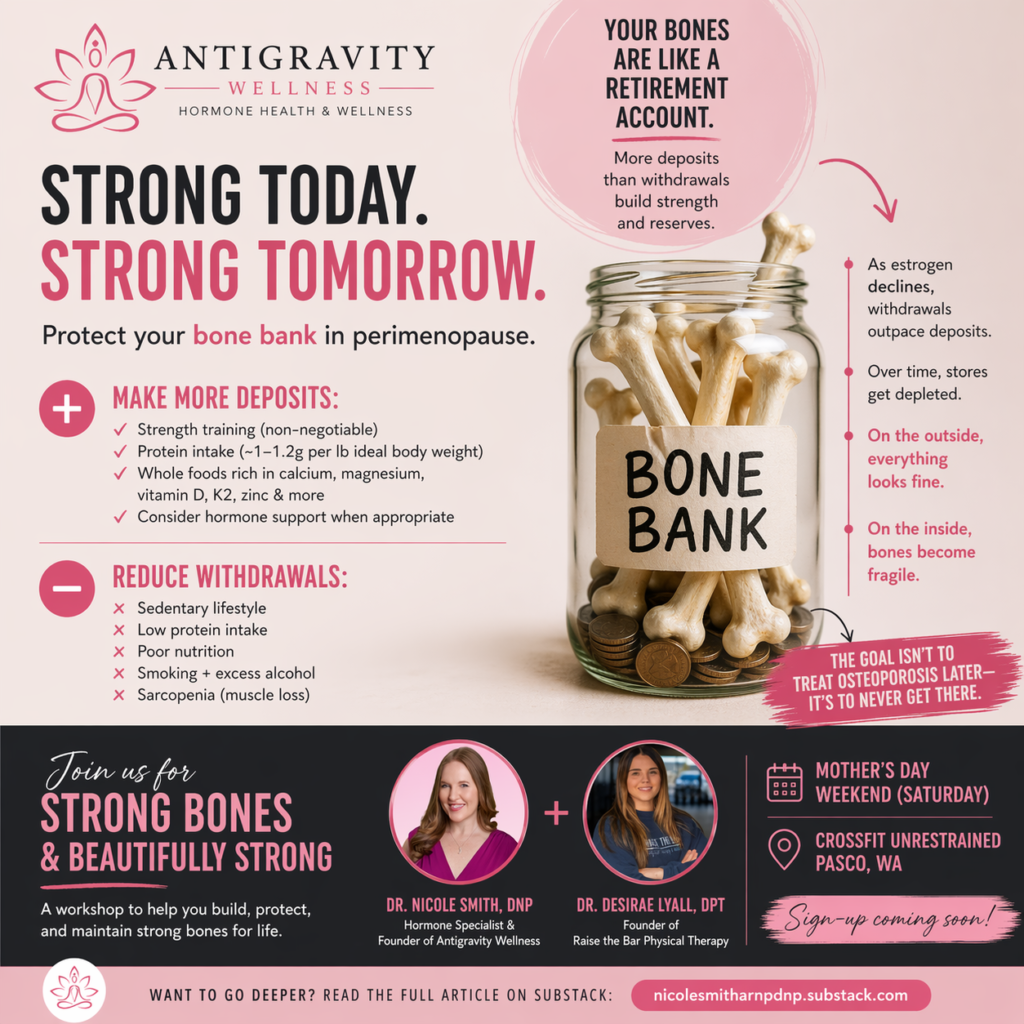
How to Prevent Osteoporosis in Perimenopause: Build Strong Bones Before It’s Too Late

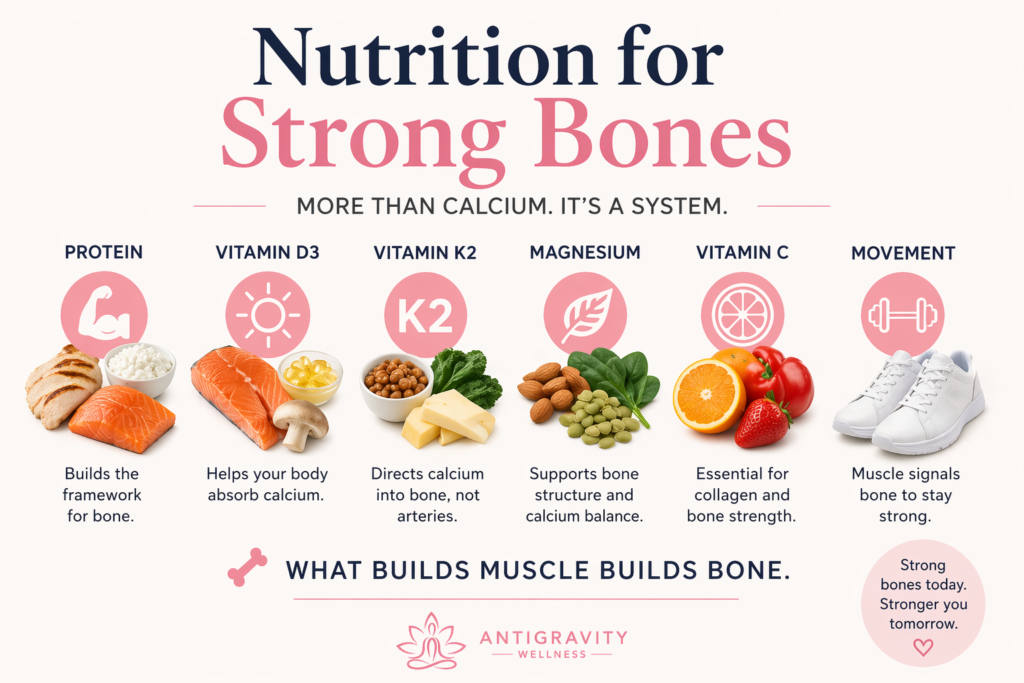
You don’t feel bone loss happening… until you do. Most women don’t think about osteoporosis prevention in perimenopause until much later in life. It’s often seen as something that happens after menopause—or even in your 60s or 70s. But the truth is, bone loss begins years earlier, often during your late 30s and 40s. By […]

How to Prevent Osteoporosis in Perimenopause: Build Strong Bones Before It’s Too Late Read More »

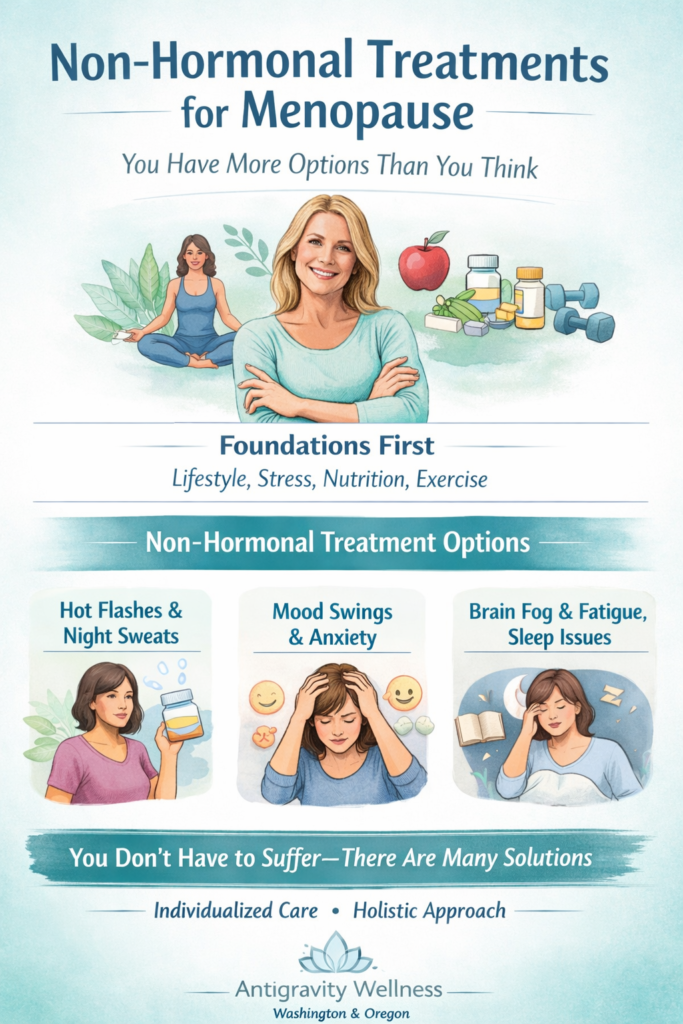
Non-Hormonal Treatments for Menopause: You Have More Options Than You Think

Many women are told one of two things when they enter perimenopause or menopause: “This is just part of aging—deal with it.” Or, “You can’t take hormones.” And from there… they’re left thinking they just have to suffer. That’s not true. If you cannot, choose not to, or are not ready to use hormone therapy,

Non-Hormonal Treatments for Menopause: You Have More Options Than You Think Read More »

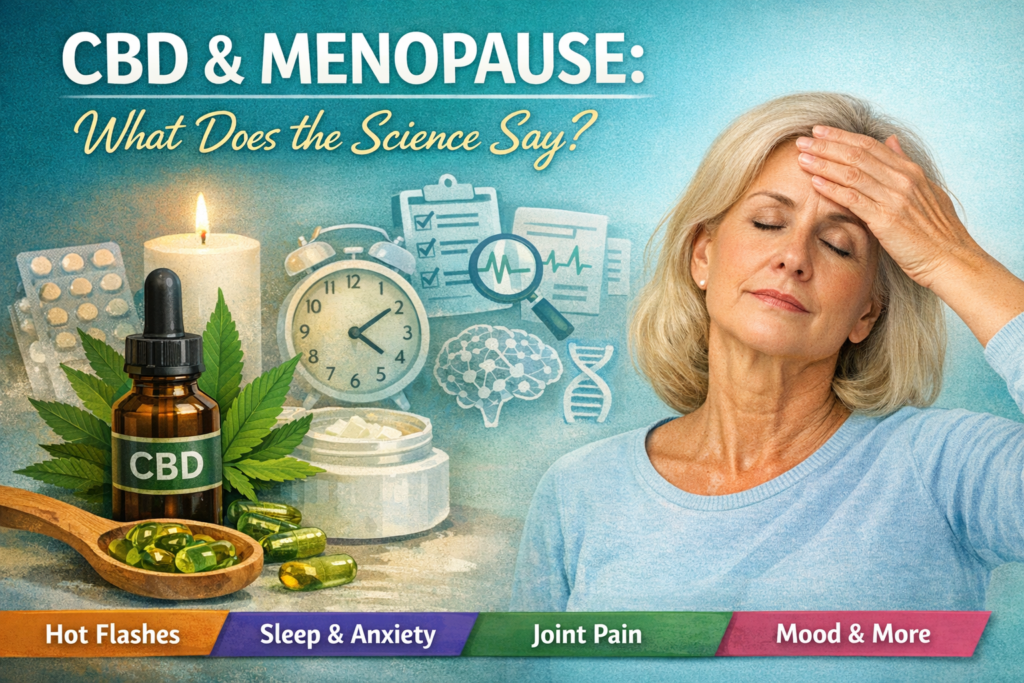
CBD and Perimenopause: What Does the Science Actually Say?

As interest in natural and alternative therapies grows, many women navigating perimenopause and menopause are asking the same question: Can CBD help with symptoms like anxiety, sleep disruption, hot flashes, and joint pain? The answer is not a simple yes or no—and that’s exactly why this conversation matters. Let’s break down what we actually know

CBD and Perimenopause: What Does the Science Actually Say? Read More »

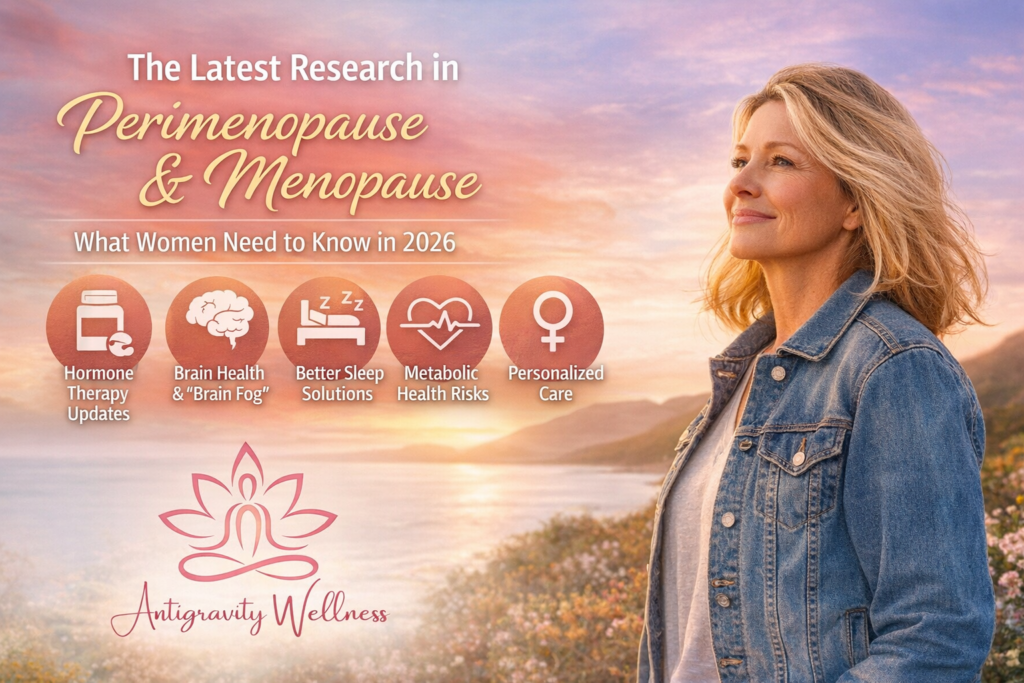
The Latest Research in Perimenopause & Menopause (2026): What Every Woman Needs to Know

If you’ve ever been told your symptoms are “just part of aging,” this is your reminder:the science says otherwise. Over the past year, research in perimenopause and menopause has evolved in powerful ways. What used to be minimized or misunderstood is now being validated, studied, and—most importantly—treated more effectively. Let’s break down the most important

The Latest Research in Perimenopause & Menopause (2026): What Every Woman Needs to Know Read More »

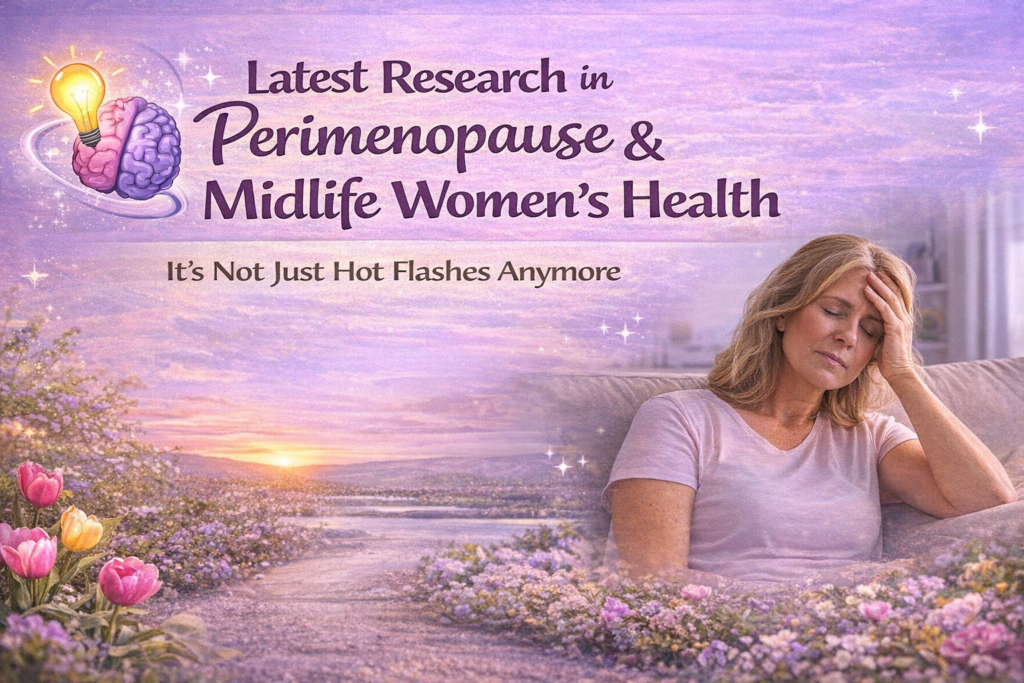
Latest Research in Perimenopause & Midlife Women’s Health

It’s Not Just Hot Flashes Anymore For years, perimenopause has been associated mainly with hot flashes and irregular periods. But new research is reshaping how we understand this transition — and what women actually experience. The reality? Most women don’t walk into perimenopause complaining about hot flashes. They come in saying: “I’m exhausted.” “I can’t

Latest Research in Perimenopause & Midlife Women’s Health Read More »

Time Shame and Perimenopause: Why Trying to Do Everything Yourself Is Burning You Out

If you’re a woman in your late 30s or 40s and suddenly feeling exhausted, overwhelmed, and stretched too thin, you’re not imagining things. Many women in perimenopause are carrying a silent burden that no one ever talks about. It’s called time shame. Time shame is the belief that you’re doing something wrong if you don’t

Time Shame and Perimenopause: Why Trying to Do Everything Yourself Is Burning You Out Read More »

Sleep Optimization in Perimenopause: Fix Insomnia & Night Waking

“I’m exhausted… but I can’t sleep.” She told me she was doing everything right.No caffeine after noon. Calm evenings. Magnesium at night.Still—she laid awake for hours. Or woke up at 2–3 AM, heart racing, mind wide open. Her doctor said, “That’s just part of getting older.”But her body was saying something very different. If this

Sleep Optimization in Perimenopause: Fix Insomnia & Night Waking Read More »

Sermorelin in Functional Medicine: What It Is, How It Works, and Who It’s For

Peptides are quickly becoming one of the most talked-about tools in functional and regenerative medicine—but they’re also one of the most misunderstood. If you’ve heard of Sermorelin and wondered: You’re asking the right questions. Let’s break this down clearly and responsibly. What Is a Peptide? Peptides are short chains of amino acids—the same building blocks

Sermorelin in Functional Medicine: What It Is, How It Works, and Who It’s For Read More »

Endometriosis Is Not “Just Bad Periods”: Why a Root-Cause, Whole-Body Approach Matters

Endometriosis is one of the most underdiagnosed and misunderstood conditions in women’s health. Despite affecting an estimated 1 in 10 women, many are told for years that: For many women, it takes 7–10 years to receive a diagnosis—often after years of physical pain, emotional distress, and feeling dismissed. The problem isn’t that endometriosis is rare.

Endometriosis Is Not “Just Bad Periods”: Why a Root-Cause, Whole-Body Approach Matters Read More »