perimenopause

The Latest Research in Perimenopause & Menopause (2026): What Every Woman Needs to Know

If you’ve ever been told your symptoms are “just part of aging,” this is your reminder:the science says otherwise. Over the past year, research in perimenopause and menopause has evolved in powerful ways. What used to be minimized or misunderstood is now being validated, studied, and—most importantly—treated more effectively. Let’s break down the most important […]

The Latest Research in Perimenopause & Menopause (2026): What Every Woman Needs to Know Read More »
Latest Research in Perimenopause & Midlife Women’s Health

It’s Not Just Hot Flashes Anymore For years, perimenopause has been associated mainly with hot flashes and irregular periods. But new research is reshaping how we understand this transition — and what women actually experience. The reality? Most women don’t walk into perimenopause complaining about hot flashes. They come in saying: “I’m exhausted.” “I can’t

Latest Research in Perimenopause & Midlife Women’s Health Read More »

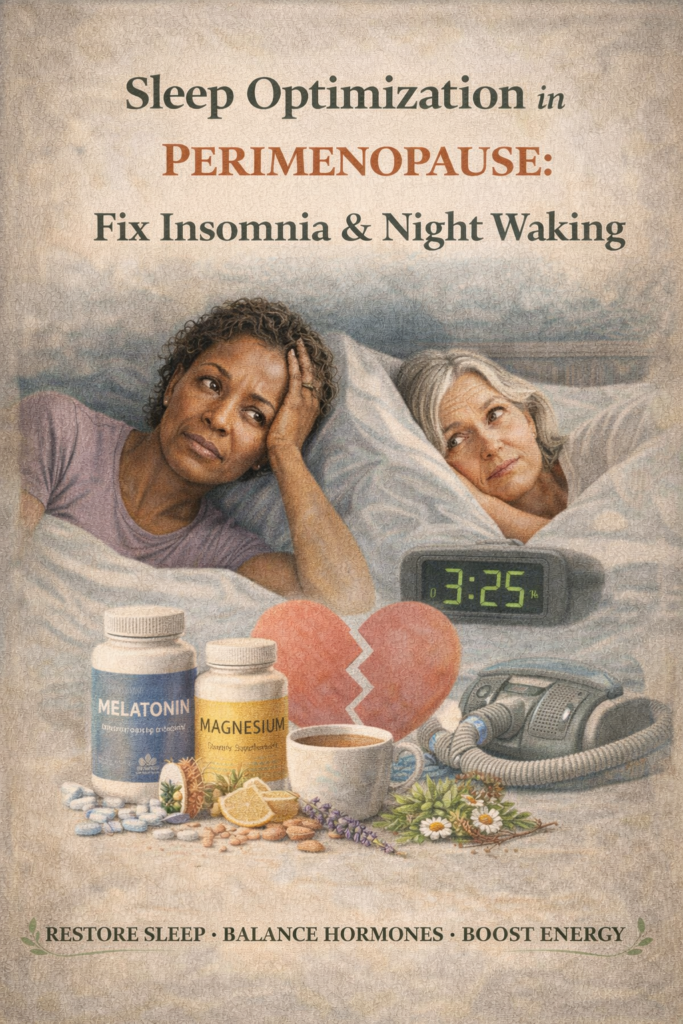
Sleep Optimization in Perimenopause: Fix Insomnia & Night Waking

“I’m exhausted… but I can’t sleep.” She told me she was doing everything right.No caffeine after noon. Calm evenings. Magnesium at night.Still—she laid awake for hours. Or woke up at 2–3 AM, heart racing, mind wide open. Her doctor said, “That’s just part of getting older.”But her body was saying something very different. If this

Sleep Optimization in Perimenopause: Fix Insomnia & Night Waking Read More »

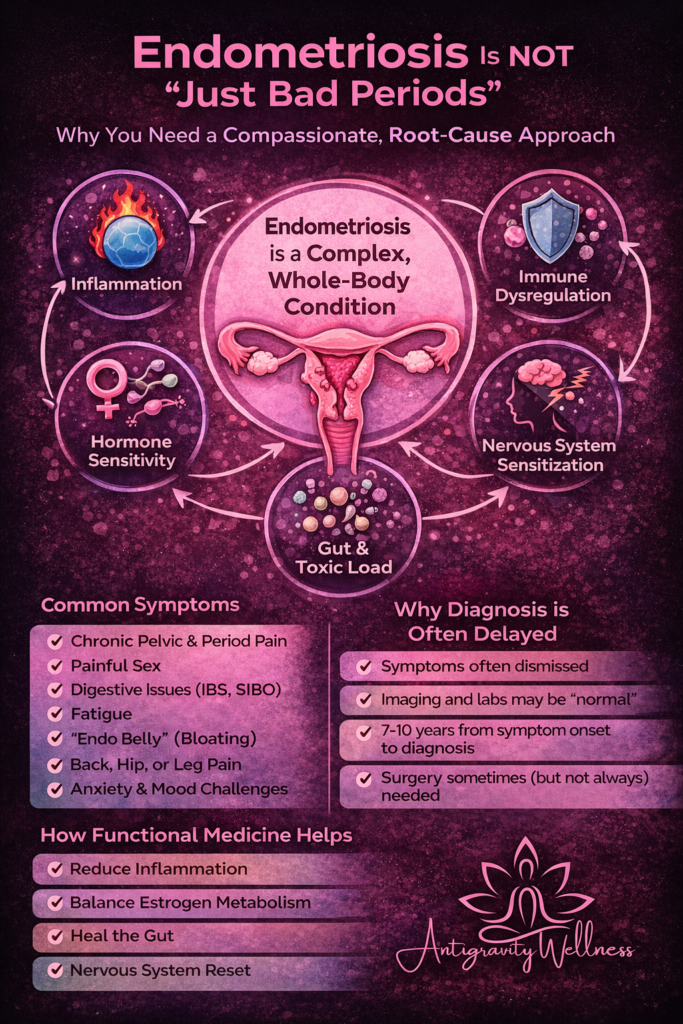
Endometriosis Is Not “Just Bad Periods”: Why a Root-Cause, Whole-Body Approach Matters

Endometriosis is one of the most underdiagnosed and misunderstood conditions in women’s health. Despite affecting an estimated 1 in 10 women, many are told for years that: For many women, it takes 7–10 years to receive a diagnosis—often after years of physical pain, emotional distress, and feeling dismissed. The problem isn’t that endometriosis is rare.

Endometriosis Is Not “Just Bad Periods”: Why a Root-Cause, Whole-Body Approach Matters Read More »

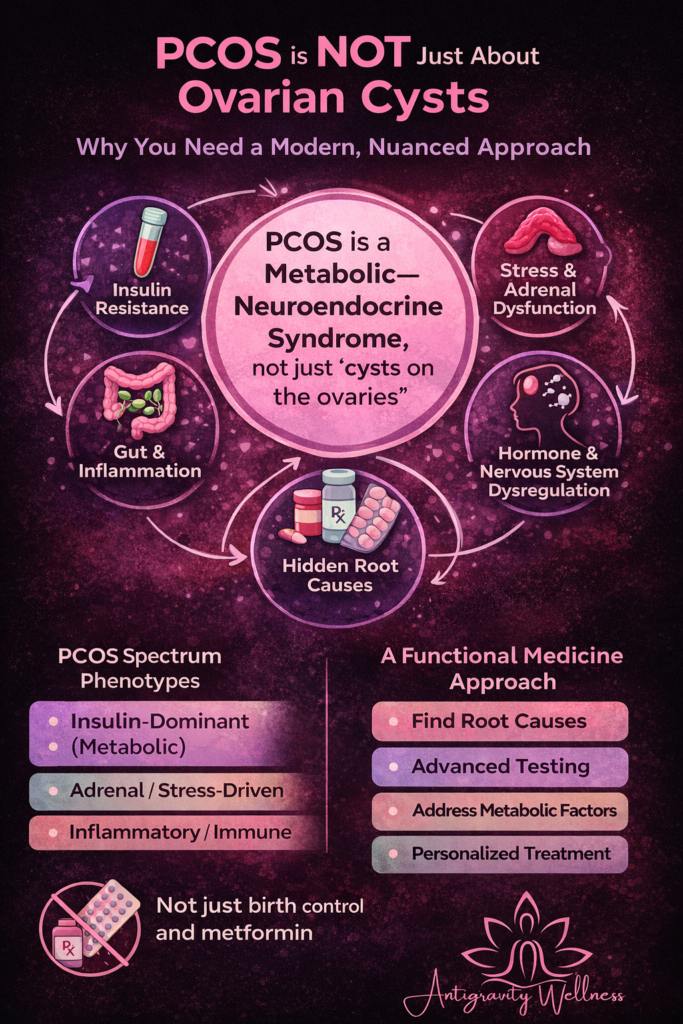
Why “PCOS” Is a Misleading Name—and Why a Nuanced, Root-Cause Approach Matters

For decades, Polycystic Ovarian Syndrome (PCOS) has been framed as a reproductive disorder defined by cysts on the ovaries.But here’s the truth: 👉 Many women with PCOS do not have ovarian cysts.👉 Many women with ovarian cysts do not have PCOS. So why are we still using a name that implies cysts are required for

Why “PCOS” Is a Misleading Name—and Why a Nuanced, Root-Cause Approach Matters Read More »

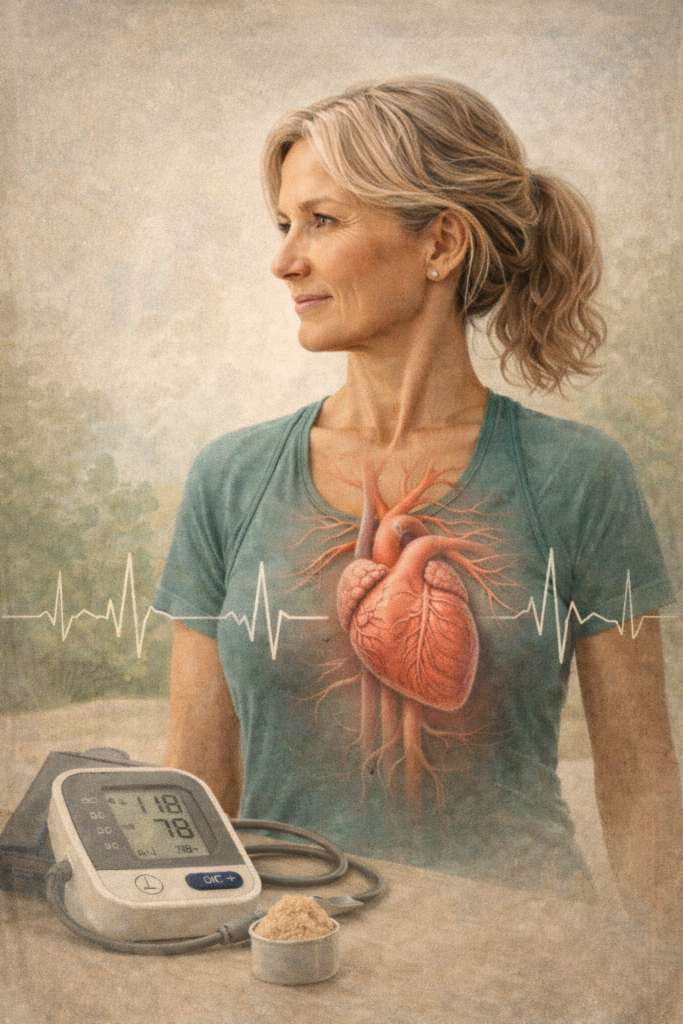
Heart Health After 40: What Every Woman Needs to Know

The Wake-Up Call Many Women Don’t Expect She came in thinking she was just “getting older.” She was 44.Busy. Active. Eating well. Exercising regularly. But over the last year, she noticed she was more tired than usual. Her workouts felt harder. Her heart would race at times. Her blood pressure—once perfect—was creeping up. Her labs

Heart Health After 40: What Every Woman Needs to Know Read More »
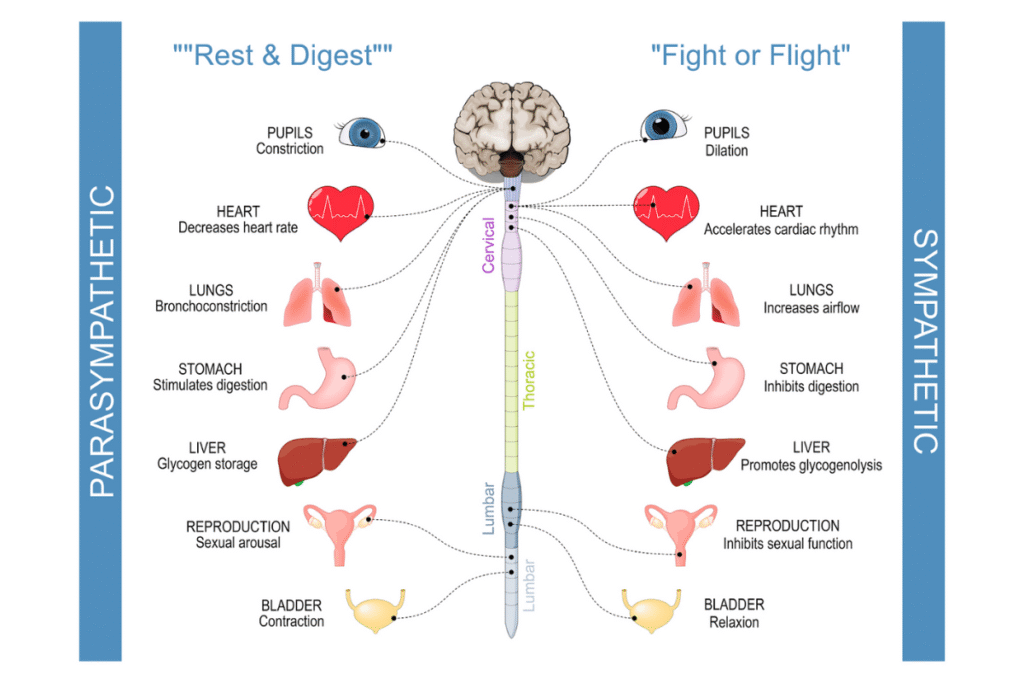
Polyvagal Theory & Perimenopause: Why Your Nervous System Matters More Than You Think

If you’re in your late 30s, 40s, or early 50s and suddenly dealing with anxiety, poor sleep, irritability, brain fog, fatigue, or feeling like you don’t recognize yourself anymore—you’re not imagining it, and you’re not “just stressed.” What many women are experiencing during perimenopause is not simply a hormone problem. It’s a nervous system regulation

Polyvagal Theory & Perimenopause: Why Your Nervous System Matters More Than You Think Read More »

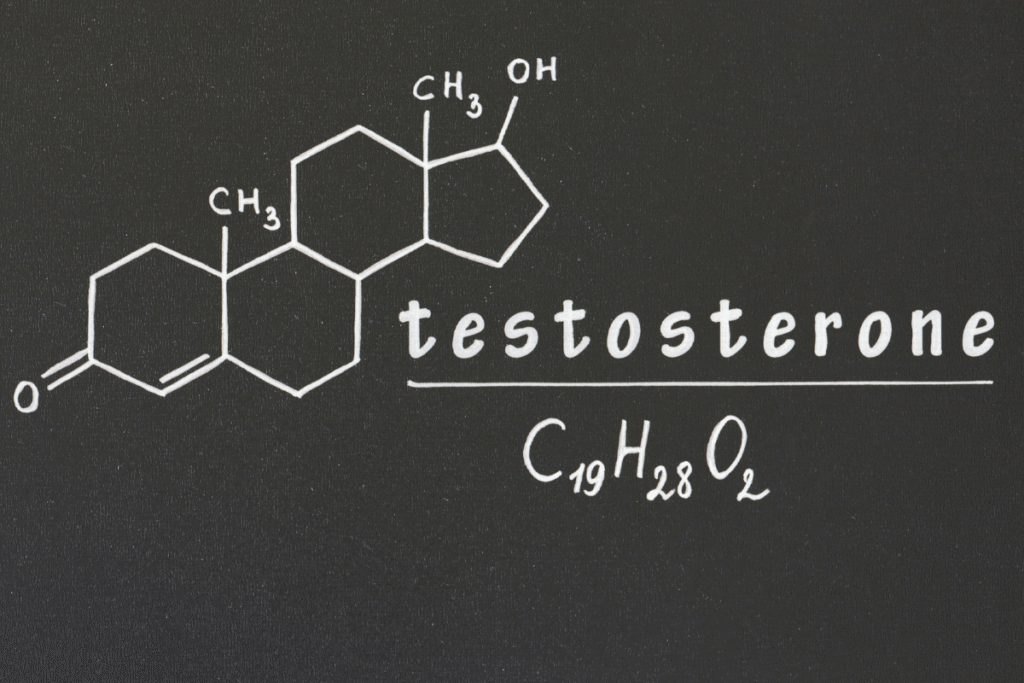
Understanding Testosterone in Women, Optimal Ranges, and Why It Matters for Health

She was shocked when her lab results came back. Her testosterone was listed as “normal.” But she felt anything but normal. She had: When she asked her provider about testosterone, the answer was quick: “Women don’t really need testosterone.” That statement is flat-out wrong. Testosterone is a critical hormone for women, especially in perimenopause and

Understanding Testosterone in Women, Optimal Ranges, and Why It Matters for Health Read More »

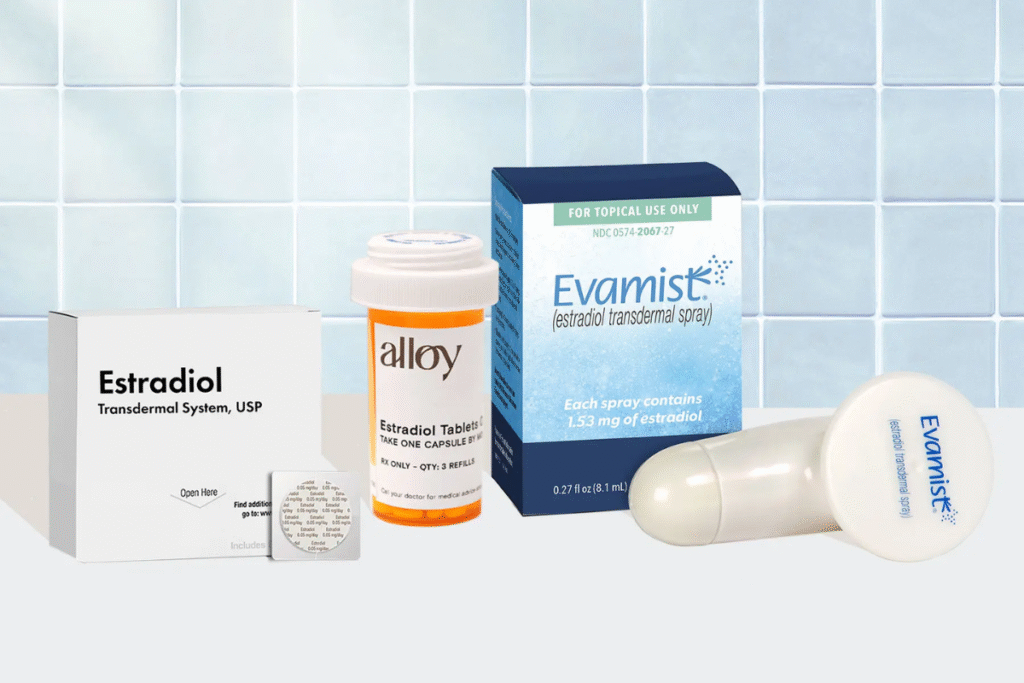
Understanding Estradiol Gold Ranges for Hormone, Bone, Heart, and Brain Protection

Sarah sat in her car after yet another doctor’s appointment, staring at her lab results on her phone. Her provider had told her, “Everything looks normal.” But Sarah didn’t feel normal. She was exhausted.Her joints ached.Her sleep was broken.Her brain felt foggy.She worried about her bones, her heart, and her memory as she got older.

Understanding Estradiol Gold Ranges for Hormone, Bone, Heart, and Brain Protection Read More »